A common question amongst cyclists, whether you are a beginner or an avid rider is what gear do I really need? With so much advice, new tech and the constantly evolving kit on the market, it can be overwhelming to navigate all the information out there. Whilst many accessories can provide some additional convenience, there are some safety must haves that you should not ride without.
This detailed guide will cover the must-have cycling accessories to get you ride ready, and some added extras if you are wanting to take your rides to the next level.
1. Helmet
No excuses, if you are riding a bike, the ultimate must have is a helmet. The statistics should be convincing enough with studies finding compelling evidence that wearing a cycle helmet can reduce the risk of serious head injury by almost 70% and fatal head injuries by up to 65%, as highlighted in cycling helmet safety information.
Many helmets feature the added protection of MIPS technology (Mulit-directional Impact Protection System) which helps to reduce rotational forces during impact. You can also check if the helmet meets regulated safety requirements, and then beyond the initial safety checks you can look into all the available types to suit the style of riding you had in mind. Explore the different types of helmets with our helpful guide.
2. Bike Lights
Bike lights are essential for seeing and being seen. Even if you are not planning to venture out into the night, they are still worth having for low light conditions, bad weather and busier roads.
A front light will help you to navigate your path ahead, whilst a rear light ensures you are visible to drivers.
3. Bike Lock
If you want to avoid heartbreak, choosing the right bike lock can be just as important as having insurance. Most insurance claims for stolen bikes require an approved lock at the time of theft, so it is worth investing in a quality lock. Our insurance partner, Velolife, provides details of how to check you are using an approved lock, so you can make sure you are fully covered in the unfortunate event your bike is stolen.
U-locks and heavy-duty chains offer greater protection, and it is also a good idea to lock your bike in well-lit and visible areas. Taking these preventative measures helps to avoid theft and also ensures you meet the requirements needed to make an insurance claim if the worst case scenario happens.
4. Repair Kit and Pump
Be prepared for the unexpected and keep a basic repair kit and pump handy; nothing ruins a ride faster than a flat tyre with no way of fixing it. A basic repair kit should include:
- Spare inner tube
- Tire levers
- Mini-pump or a CO2 inflator
- Multi-tool
- Patch kit
Just as important as having the right tools, you need to know how to use them. Practising at home before you actually need to make a roadside fix is a key preparation step that is not worth skipping. So instead of worrying about issues arising, you can be confident knowing you are well equipped to handle whatever the ride may throw at you.
5. Water Bottle and Cage

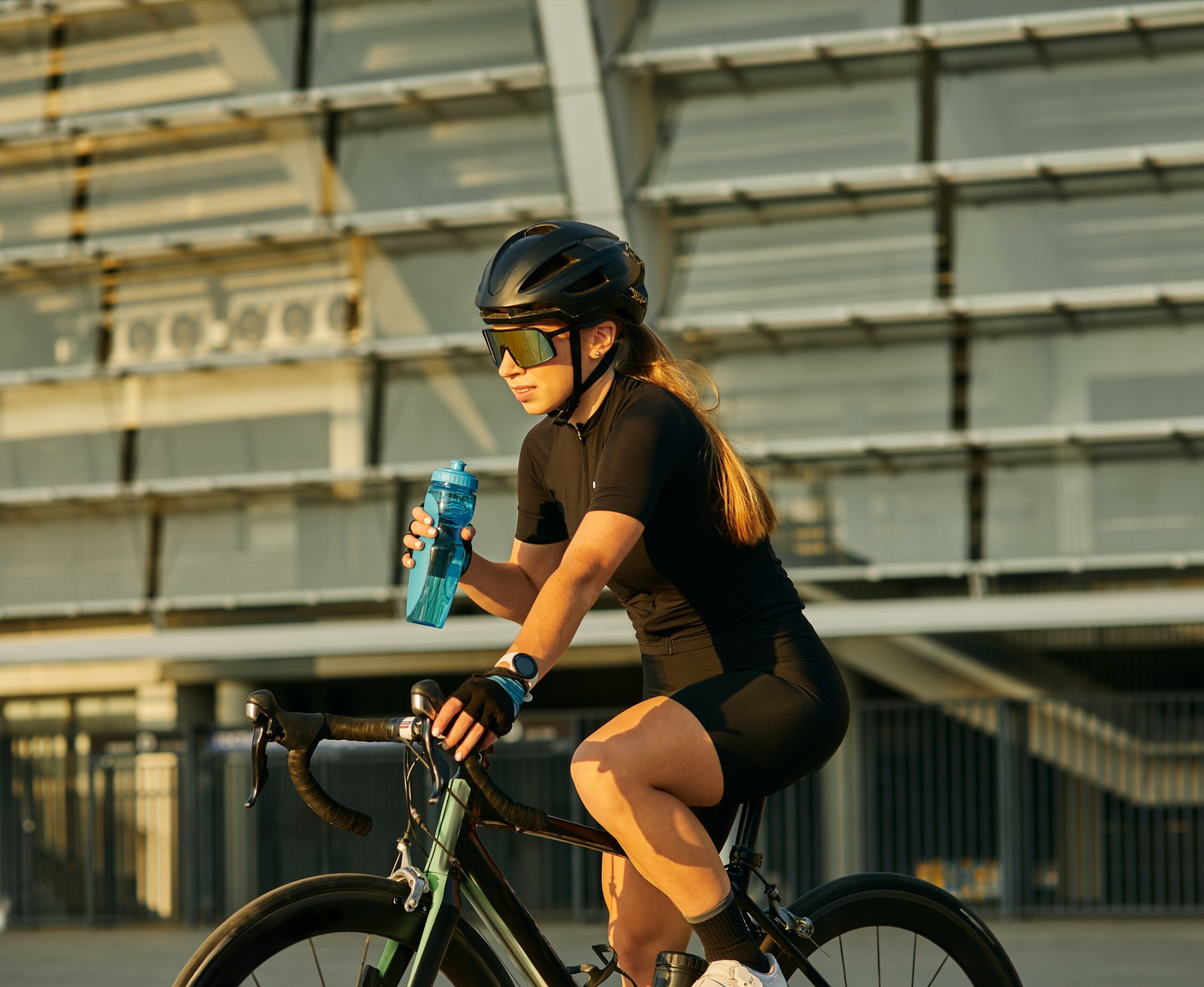
Dehydration can creep in quickly, ultimately affecting your energy levels and overall performance. Having a mounted water bottle means you can take quick sips without stopping, keeping you consistently hydrated so you can enjoy the trails for longer.
6. Gloves
Cycling gloves are one of those pieces of gear that many riders tend to skip at first, but quickly come to appreciate. They may seem like a small addition on the surface, but the addition of well-padded gloves can help to absorb the constant feedback, alleviating discomfort so you can power through longer with ease.
Another key advantage is grip, which can be affected by sweat or rain. Gloves provide a more secure hold, giving you better control when breaking, cornering or riding over rough terrain.
Cycling gloves are a small investment that can significantly improve your overall riding experience, making them a smart choice for riders of all levels.
7. High Visibility Clothing
The goal is simple: make yourself as visible as possible to other road users. Whilst it is not the most exciting piece of gear to upgrade, it is going to make a difference to your safety.
The great news is that there are plenty of options available, so you don’t have to sacrifice performance or comfort to be seen. Many jackets, vests and jerseys are made with breathable, lightweight material, with the added benefit making you visible. Remember to pop in a hi-vis jacket or vest, so you can easily throw it on over your regular kit when visibility changes.
8. Cycling Bag or Saddle Pack
So you will need somewhere to store all the basics, this is where a cycling bag or saddle pack comes in handy. You can neatly tuck it under the saddle or mount to the frame, keeping it out of the way so you can ride with no disruptions. It is a simple addition to your set up that can offer extra peace of mind.
9. Cycling Glasses
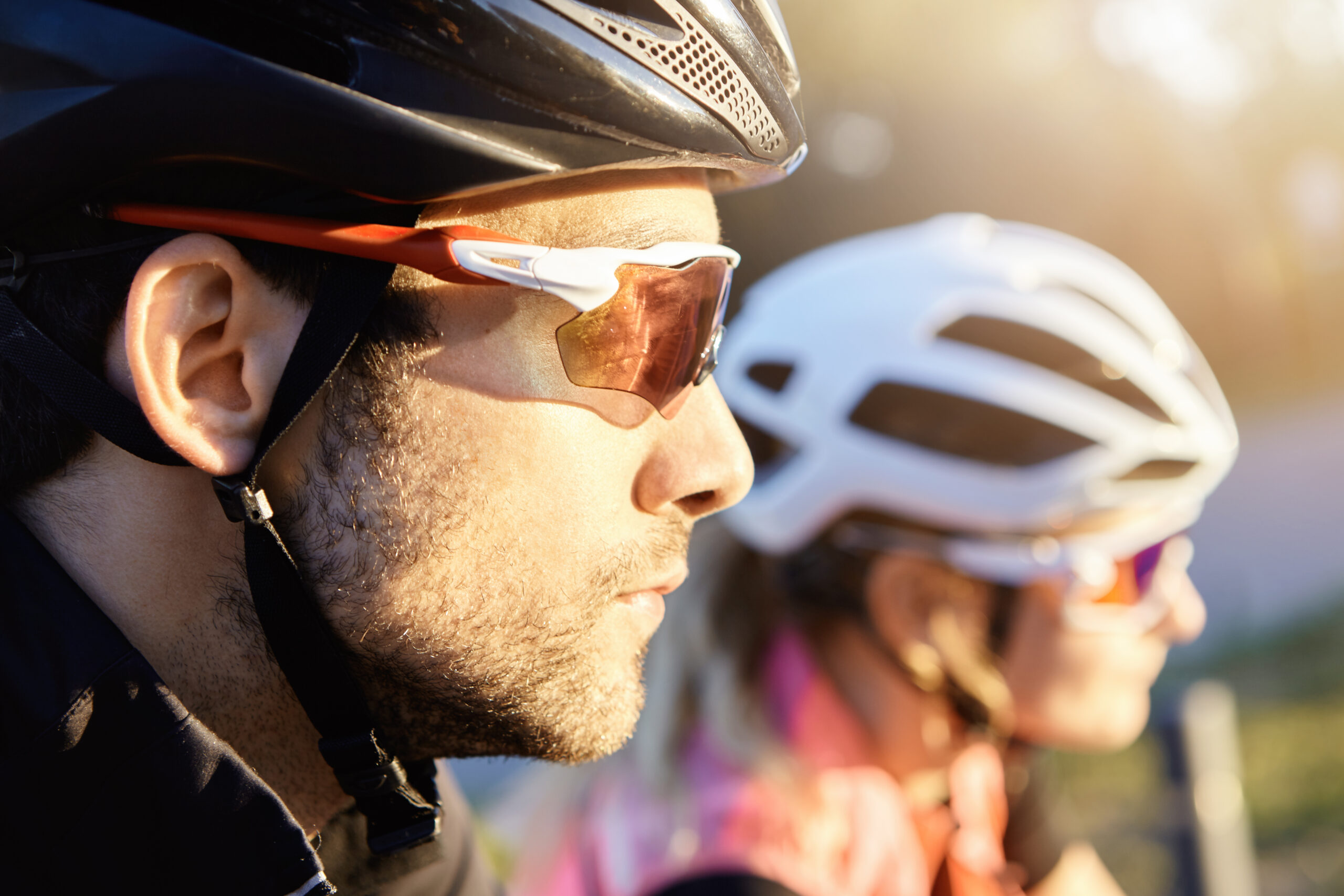
You can be cruising along, enjoying the ride and suddenly the suns in your eyes or worse yet a fly decides to join in. Cycling glasses offer great protection from harmful UV sun rays, help with visibility in unpredictable weather moments and keep debris out of your eyes. They are a must-have that can genuinely save a ride from becoming an unpleasant experience.
Nice to haves
After covering the basics you may want to delve deeper into the world of cycling tech and elevate your riding experience. Regardless if you are commuting, training or exploring new routes, the addition of cycling gear can help you get more out of your time on the bike.
Cycling Computers, GPS and Phone Mounts
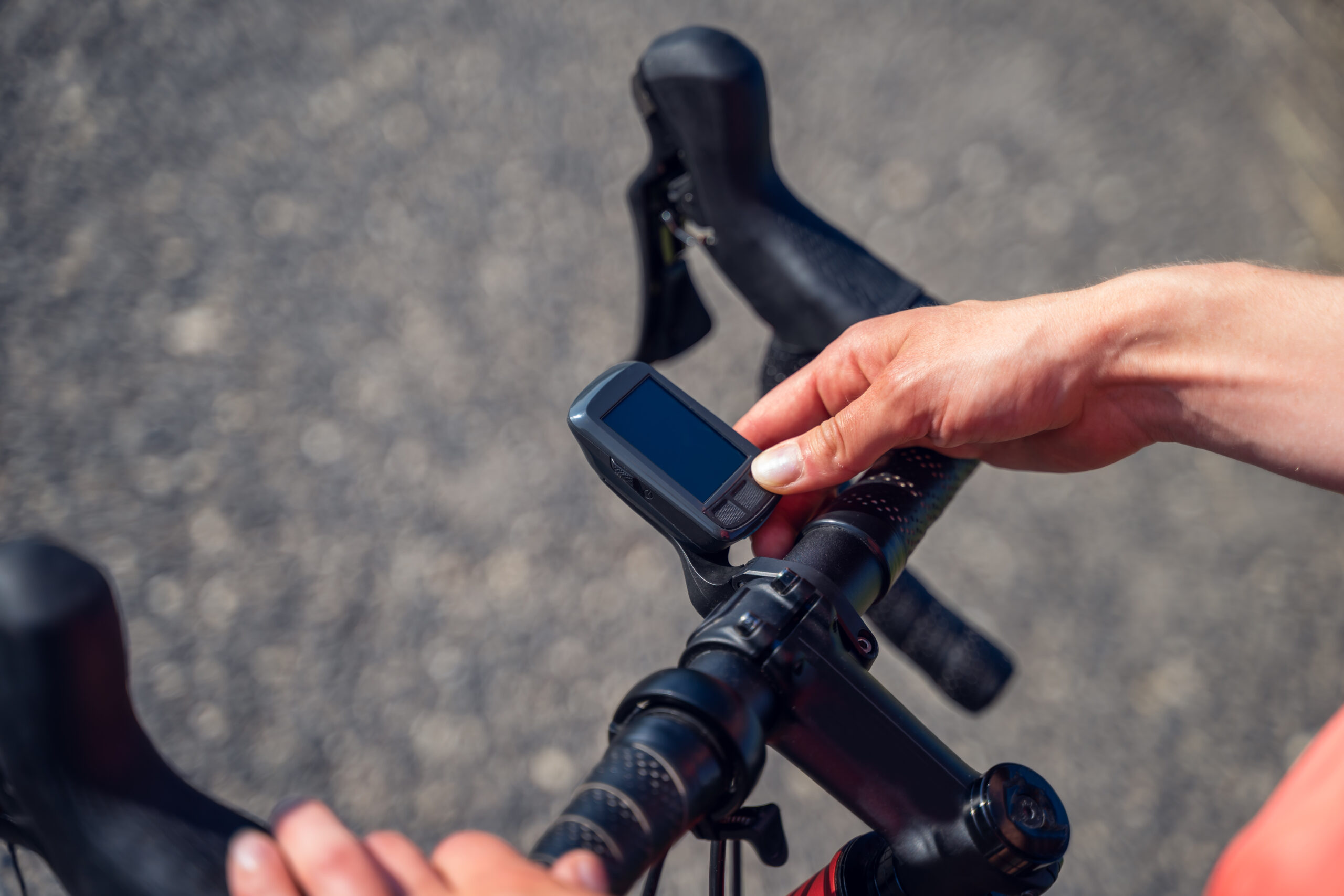
Cycling computers, GPS devices and phone mounts can be a useful way to make your ride easier and more informed. Having a dedicated cycling computer or GPS device offers a way to accurately record real-time data, so you can keep track of your progress and performance. Phone mounts are a budget-friendly option to navigation on the go, so no stopping is required; you can view your routes right in front of you.
Ready to upgrade your setup? You can explore our full range of cycling gear, and get ready for your next ride.