

Active travel in England: How cycling is being left behind
Active travel funds are intended to improve walking, wheeling and cycling across England, yet vital cycling infrastructure is often the first to be sidelined or scrapped when budgets are strained and plans need condensing.
And this isn’t anything new; a 2020 investigation found one in four councils to have scrapped or reduced ‘green roads’ schemes.
With £616 million of new funding allocated for active travel between 2026 and 2030, a new wave of projects is on the horizon. Diving into the data, we discover how funding has been allocated, why we need better cycling infrastructure and what’s been happening in recent years.
Scrapped cycling plans
So why are cycling plans so often treated as expendable? Our Managing Director, Tom Thornley, believes that the need for infrastructure is “misunderstood”.
Tom shares, “Cycling infrastructure is still viewed as serving a small minority, rather than the large group of people who would cycle if conditions were right. Car-based transport is prioritised because it is familiar and politically safer in the short term.”
There are already more than seven million cyclists in the UK, accounting for roughly 10% of the population, a figure that would likely grow should safe and accessible infrastructure be in place. Surveying 1,000 adults in the UK, we found that 72% of women and 50% of men believe that a lack of cycle lanes and/or poor road quality prevents them from cycling.
Sadly, dedicated spaces remain far from guaranteed as investment decisions continue to remove or dilute cycling plans as part of broader travel and transport developments.
Tom adds, “Too often, cycling is added to development plans as a box-ticking exercise and removed later with little scrutiny. That sends a clear message that cycling is not taken seriously.”
Examples of sidelined cycle routes and projects
- The Department for Transport penalised Brighton and Hove for removing a temporary cycle lane extension, warning that future funding would be subject to proof of delivery. The lane was removed due to councillors feeling it required better planning to not upset other people using the road.
- Cycling upgrades along Dereham Road in Norwich were suddenly scrapped with no consultation due to rising costs and limited funding, causing outrage from local councillors and members of the public.
- There have been significant delays to a key planned cycling route from Kenilworth to Leamington in the West Midlands. Councillors have called it a low priority and noted that they will review the “worth of cycle lanes”. Funding had already been allocated to the route in 2019, yet developments have been significantly delayed – more than 3,000 residents have signed a petition backing the plans.
- In Yorkshire, cycling groups have been campaigning for cyclists to be considered in plans for the Harrogate Station Gateway Project. A core element of the cycle route to create space for a protected cycle track was removed from the project scope, and the council has refused to implement an ‘early release’ to protect cyclists from buses at a potentially dangerous junction.
- Initial plans for cycle safety improvements to a travel scheme in Bristol were sidelined to create bus lanes, despite campaigners warning the road remained “cycle-hostile” and calling the changes a “massive policy failure”.
The impact of losing cycling infrastructure plans
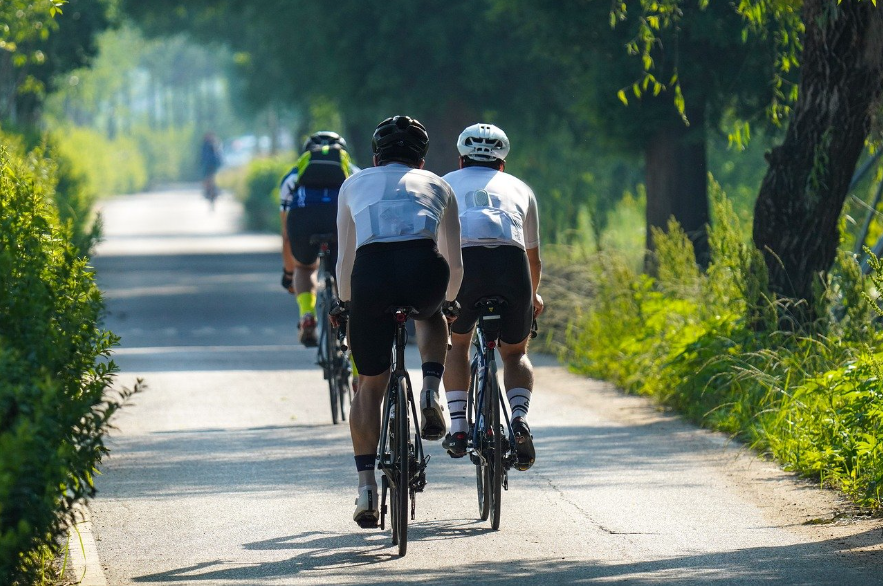
Scrapped plans don’t just impact cyclists but also constrain the wider growth of cycling as a transport option. Tom says, “While cycling is becoming more accessible with the rise of electric models, a lack of infrastructure means that we’re missing the real opportunity to get more people onto the road.”
Conflicting views from those in charge can further undermine confidence in cycling. “The government encourages active travel, but councils continue to remove the infrastructure needed to support it,” Tom explains. “This mixed messaging can directly affect people’s willingness to buy and use bikes for everyday journeys.”
The impact on cyclists
When promised infrastructure disappears, cyclists are left feeling exposed, safety concerns increase and confidence drops. Cycling becomes stressful rather than practical, which may deter cyclists from getting on a bike at all.
The impact on non-cyclists
People who planned to cycle, or even invest in an electric bike, no longer feel it is safe or realistic. They use their car instead, adding to congestion and emissions. Over time, this reinforces the idea that cycling does not work, when the reality is that the environment has failed to support it.
What are active travel funds?
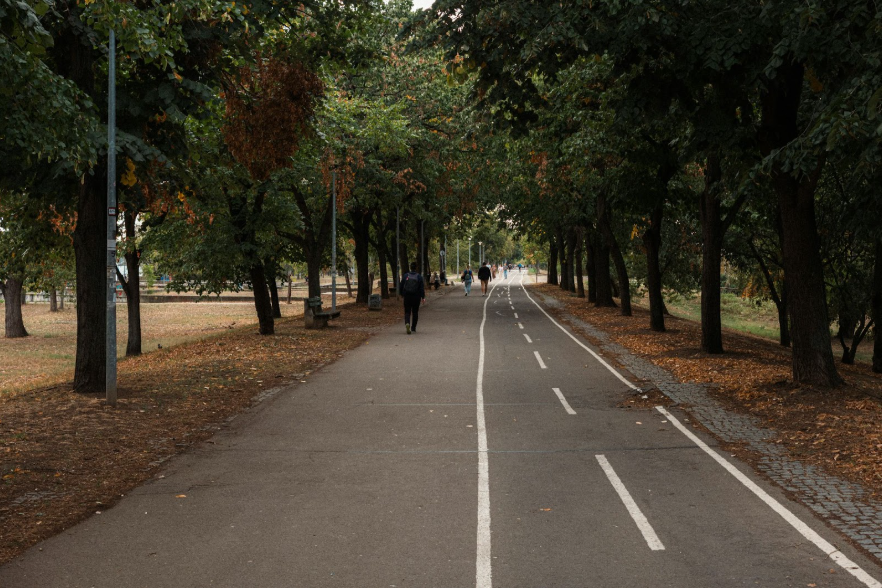
The aim of the Active Travel Fund (ATF) is to help make walking, wheeling and cycling safer and facilitate more trips by active modes of travel across England. Funds are allocated to local authorities who can use the budget for things such as infrastructure and traffic restraints, as well as to promote active travel and encourage changes in behaviour.
For financial years 2026/27 to 2029/30, the Active Travel Capability Fund has superseded previous initiatives. Funding includes:
- £616 million in capital funding for active travel
- £15.6 billion for Transport for City Regions
- £2.3 billion through the Local Transport Grant
- £900 million a year to maintain and improve bus services
- £24 billion for strategic and local roads, including pavements and cycling infrastructure
Regional Active Travel Fund allocations
To understand how regional funding priorities are shifting, we analysed population-adjusted 2026 to 2030 funding allocations by local authority, examining both overall funding levels and changes since the 2020 to 2025 period. Things that can impact this include quality and capability scores, which consider the area’s planning and delivery performance.
The table below illustrates the areas set to receive the most funding per 1,000 residents, with Bournemouth Christchurch and Poole Unitary Authority, Gloucestershire County Council, and Cambridgeshire and Peterborough Combined Authority coming out on top.
| Local Authority name | New funding allocation per 1,000 residents | Increase/decrease in funding per 1,000 residents | 2026-2030 total funds received (non-weighted) |
|---|---|---|---|
| Bournemouth, Christchurch & Poole Unitary Authority | £27,182 | +£12,897 | £11,116,505 |
| Gloucestershire County Council | £26,839 | -£9,509 | £17,965,685 |
| Cambridgeshire & Peterborough Combined Authority | £26,677 | +£16,392 | £24,915,193 |
| Oxfordshire County Council | £26,448 | +£3,933 | £20,185,686 |
| Leicester Unitary Authority | £26,186 | +£9,464 | £10,169,331 |
With the exception of Gloucestershire, all regions with the highest allocations have seen significant increases since the previous funding rounds. Notably, Bournemouth, Christchurch and Poole Unitary Authority rose from 19th position and Cambridgeshire and Peterborough Combined Authority moved up from 30th.
The biggest funding increases per 1,000 residents have been:
- Cambridgeshire & Peterborough Combined Authority with +£16,392
- Bournemouth, Christchurch & Poole Unitary Authority with +£12,897
- Blackburn with Darwen Unitary Authority with +£11,273
Unsurprisingly, if we overlook population weightings, larger areas receive more funding overall, with West Midlands, Greater Manchester, and West Yorkshire Combined Authorities making up the top three in both rounds. In the next four years, they will receive (in total):
- West Midlands Combined Authority – £36,009,295
- Greater Manchester Combined Authority – £35,419,725
- West Yorkshire Combined Authority – £29,018,362
Regional drops in active travel funding

Regional focuses appear to be shifting, with the areas already heavily funded facing smaller allocations. The five local authorities that received the most funding per 1,000 residents in the last round have all experienced a total decrease of between £3.2 million (Brighton and Hove Unitary Authority) and £26.9 million (Liverpool City Region Combined Authority).
Liverpool actually had the largest funding allocation per 1,000 residents between 2020 and 2025; however, it is now ranked sixth. The biggest drops have been:
- Slough Unitary Authority with –£62,664 per 1,000 people
- Liverpool City Region Combined Authority with -£52,944 per 1,000 people
- Kingston upon Hull Unitary Authority with -£39,604 per 1,000 people
The areas set to receive the least funding per 1,000 residents between 2026 and 2030 are Central Bedfordshire Unitary Authority with £5,777, Luton Unitary Authority with £5,806 and West Midlands Combined Authority with £5,820.
Why we need better cycling infrastructure
“Even if you never plan to cycle, cycling infrastructure still benefits you”, Tom believes. Improvements deliver long-term savings and benefits, such as:
- Healthier populations to reduce pressure on the NHS
- Fewer car journeys to reduce congestion and road wear
- Cleaner air to improve our overall quality of life and reduce future pollution-related costs
Because of this, Tom says that infrastructure should not be treated as optional spending.
“Cutting cycling schemes might look like an easy saving on paper, but it creates higher costs elsewhere and further down the line.
“If councils are serious about sustainability targets, public health, and affordable transport, cycling infrastructure has to be protected in the same way that roads and public transport are. It cannot be the first thing dropped when budgets tighten.”
The stats back it up:
- While proposing active travel funds, the government found that 62% of adults in England felt it was too dangerous for them to cycle on the road, as many areas were not designed to support active travel.
- Cycling UK states that for every £1 spent on cycling and walking schemes in the UK, nearly £6 is returned in benefits.
“When infrastructure is removed or watered down, people notice”, Tom adds. “Many who intended to cycle simply do not bother and default back to their car, or in some cases, revert to cycling on pavements due to the road being unsafe for cyclists. People are far more likely to ride when they believe that their route is safe, continuous and realistic.”
What cycling plans can we expect to see from priority areas?

Whether we’ll see a shift toward supporting cycling initiatives or a repeat of scrapped plans remains unclear. In December 2025, active travel groups called for clear targets on walking and cycling in England, arguing that current plans are too vague.
To anticipate what the areas with significant funding allocations might get up to with their budgets, we explored their past projects and what they’ve already said about the next few years.
Cambridgeshire and Peterborough
Receiving the biggest increase in funding per capita, Cambridge and Peterborough take cycling seriously. In February 2025, the combined authority committed to “creating clearer, more protected spaces for people to cycle with confidence”, while other initiatives have included building England’s first-ever cycle street and planning an ambitious new cycleway.
Although, consultations for a new walking and cycling route in Bury St Edmunds were cancelled after residents expressed dissatisfaction with plans to make a section of Barton Road one-way to accommodate a cycle path, so efforts may be needed to secure genuine community buy-in for crucial cycling infrastructure.
Kent
As a larger area, Kent has been allocated one of the highest funding allocations overall, a significant boost of £12,271,296 compared to 2020-2025. But in recent years, plans for new walking and cycling schemes have been halted, and cycleways have not been maintained.
Will cycling be a bigger priority for councillors in the future? According to a press release, funding may be used to improve cycling infrastructure and implement new cycle paths.
Bournemouth, Christchurch and Poole
The council states that its efforts to deliver high-quality active travel improvements has led to an increase in funding, taking the top spot on our rankings.
But this hasn’t meant plans have been reduced in recent years. Due to a previous funding cut, cycle and bus lanes were removed from active travel plans covering several roads in the area, reducing the original 78 kilometres of walking and cycling improvements. We hope that cycling is given a priority in future initiatives.
Gloucestershire
Another area near the top of our list, Gloucestershire has been focused on a major development: the Cycle Spine. This ambitious walking and cycling route aims to improve the quality and connectivity of cycling and walking facilities across the county.
It’s not without its problems, including a lack of drainage, which caused flooding on a stretch of the newly installed city centre section. But, with much of the route still under construction, it is likely to feature prominently in future plans and is certainly an exciting development!
The road ahead
At Paul’s Cycles, we want cycling to be normal. Not niche. Not something you need a full Lycra kit, confidence or an adrenaline rush to do.
We depend on local authorities to prioritise cycling in their plans for 2026 to 2030, learn from setbacks experienced by previous councils and commit to making safer, connected cycling networks for cyclists (and those keen to get cycling once they feel able to!).
In the meantime, there are ways to explore cycling safely and stay informed about new developments.
Discover what prevents most people in the UK from cycling more often, or explore our guide to the best car-free adventures to get beyond the city roads while local infrastructure is still catching up.
Looking to upgrade your ride? We offer a wide range of road, electric, mountain and gravel bikes.
Data collection
This research compares the total active travel funding allocations for each local authority in mainland England, examining total allocations for 2020 to 2025 against those for 2026 to 2030. London is not included because it has a separate transport governance structure. Allocations have been population-weighted, expressed per 1,000 residents.
For example, Norfolk County Council has been allocated £7,869,947 in active travel funding over 2026 to 2030, which is £8,369 per 1,000 residents.
Government funding decisions consider assessed local authority needs and quality ratings.
Population totals were sourced from Office for National Statistics using the most recent data published at the time of research (mid-2024).
- Active travel fund allocations were sourced from official government publications: Active Travel Capability Fund: Local transport authority allocations and Active Travel Fund: Final allocations (2020-2025).
To allow for accurate comparisons, slight adjustments were made to account for governmental structural changes that occurred during the data collection period:
- Northamptonshire is listed as a whole, totalling all local authorities
- Cumbria is listed as a whole, totalling all local authorities
All data is accurate as of February 2026.


