If you are comparing Road vs MTB vs Gravel vs E-Bikes, the simplified answer is that the ‘best’ bike for you is going to be based entirely on your goals, the type of terrain you wish to tackle and your personal fitness aspirations.
Each option dominates a different environment, some are built for speed on smooth tarmac, others thrive on rough trails and some sit somewhere in between. With the continually growing realm of electric bikes, there is also the option of adding assistance to your rides, making cycling more accessible than ever.
In this guide we will break each type down, including any up front costs you can expect and our recommended picks so you can be sure you are on the right track to understanding the key differences between each and which bike suits your lifestyle.
Road vs MTB vs Gravel vs E-Bike: Comparison Overview
| Bike Type | Best Use | Riding Position | Frame | Suspension | Typical Price Range |
| Road Bike | Fast riding on paved roads | Aggressive, aerodynamic | Lightweight | None | £800-£6,000+ |
| MTB | Off-road trails, rough terrain | Upright and stable | Strong, durable | Front and/or rear suspension | £500-£5,000+ |
| Gravel Bike | Mixed terrain – Road and light trails | Relaxed and comfortable | Balance of durability and versatility | Usually None | £900-£5,000+ |
| E-Bike | Assisted riding (commuting, hills, long rides) | Varies by type | Heavier due to added motor and battery | Depends on model | £1,000-£6,000+ |
Best for speed: Road bike
Best for trails: Mountain bike
Best all-rounder: Gravel bike
Best for commuting and hills: E-bike
Best for beginners who want versatility: Gravel bike or hybrid e-bike
Road Bikes
What is a Road Bike best for?
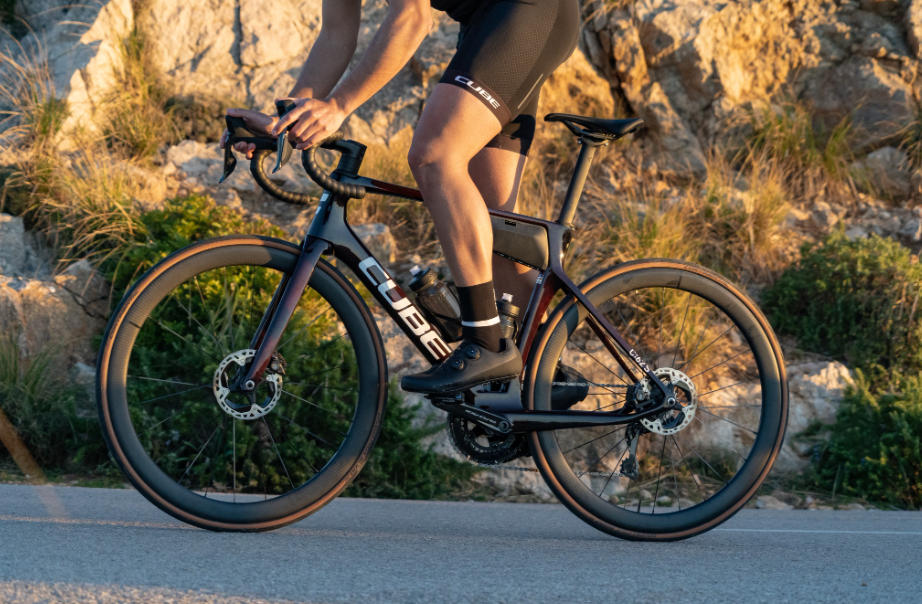
The clue is in the name, road bikes are designed for speed on paved surfaces. If your goal is long distance rides, commuting on roads or even racing, a road bike is hard to beat.
They feature lightweight frames and thin tyres, which reduces rolling resistance making them ideal for endurance riding and speed.
Maintenance and running costs
For higher performance options, or if you ride more frequently you can expect components like tyres, chains and brake pads to wear faster. However, compared to other bikes they are overall relatively low maintenance.
Ongoing costs and maintenance can include:
- Tyres: £60-£100+ per pair (every 2,000 – 5,000 miles)
- Chain: £10-£50
- Brake Pads: £5-£20 per wheel
- Servicing: Every 6–12 months
What to consider before buying a road bike?
Geometry
When it comes to road bikes, they are largely defined by their geometry, each one determines your riding position, and best use. To simplify the differences between endurance and race road bikes and everything in between, let’s break down the key features of each.
Endurance road bikes, which are often referred to as a ‘sportive bike’, are for longer rides and comfort.
Endurance bike key features:
- Riding position: A more relaxed position compared to other road bikes
- Tyre clearance: Wider tyre clearance, typically between 32-35mm
- Handling: Stable and predictable
Road race bikes hone in on the race front with an aggressive riding position optimised for speed, and performance, making them ideal for competitive riding.
Road race key features:
- Riding position: Low and aerodynamic
- Tyre clearance: Typically narrower, between 28-32mm
- Handling: Quick, responsive and precise
Within the race category there are a few common geometry variations you may come across, such as:
- Aero: Specifically designed for reducing wind resistance, and maximising speed on flat or rolling terrain
- All-rounder: A balanced race bike, designed to perform well across a variety of conditions
- Climbing: Built to be as lightweight as possible and tackle hilly terrain
Pros and cons of a Road Bike
Pros:
- Fast and efficient
- Lightweight
- Ideal for long distance riding
Cons:
- Uncomfortable on rougher terrains
- Limited versatility
- Riding position may not suit everyone
Mountain Bike
What is a mountain bike best for?
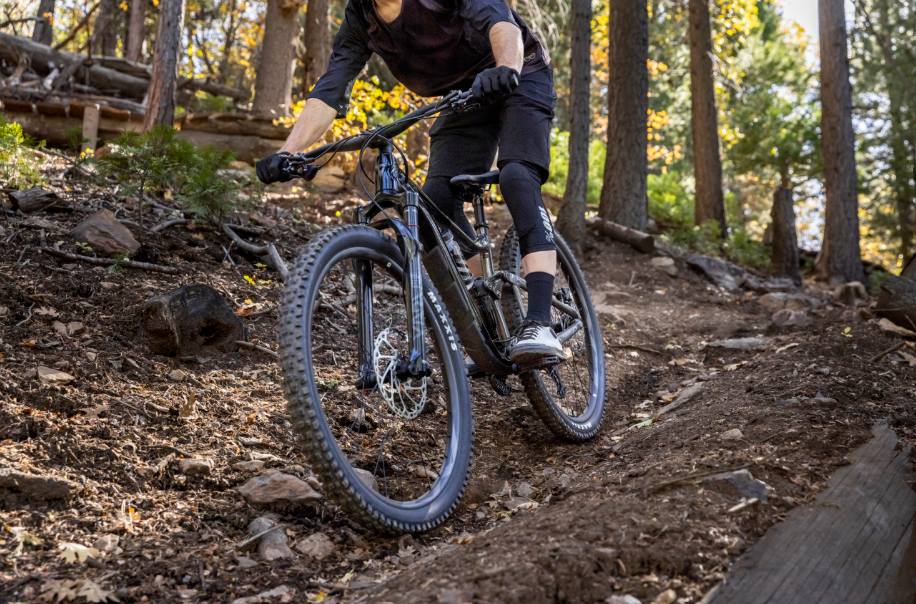
Ideal for off-road riding, mountain bikes are designed with rougher terrain in mind and feature suspension systems that can handle rocky descents.
Maintenance and running costs
Mountain bikes tend to require more maintenance than road or gravel bikes, due to harsher riding conditions.
Typical costs can include:
- Tyres: £30-£80 per tyre (may need replacing every 1,000-3,000 miles)
- Chain: £10-£50
- Brake pads: £5-£20 per wheel
- Suspension servicing: Basic service: 50 hours/Every 3-6 months and Full service: 100-125 hours/ Once a year
- General servicing: Every 6-12 Months
What to consider before buying a mountain bike?
Suspension type
- Hardtail: Front suspension fork, usually cheaper and easier to maintain.
- Full suspension: Front and rear suspension for improved control and comfort on trails.
Not sure which suspension set up is right for you? Read our full suspension vs hardtail guide.
Wheel size
- 27.5-inch wheels: More agile and quicker acceleration
- 29-inch wheels: Faster rolling and smoother over obstacles
Riding style
Different MTBs are designed for different riding disciplines:
- Cross-country (XC): Lightweight and efficient
- Trail: Balanced for climbing and descending capability
- Enduro: Excels on aggressive technical downhill riding
- Downhill: Maximum suspension and stability for steep descents
Pros and cons of a mountain bike
Pros:
- Excellent off-road capability
- Comfortable and stable
- Very durable
Cons:
- Inefficient on roads
- Higher maintenance
- Can feel like overkill for casual riding or road commuting
Gravel
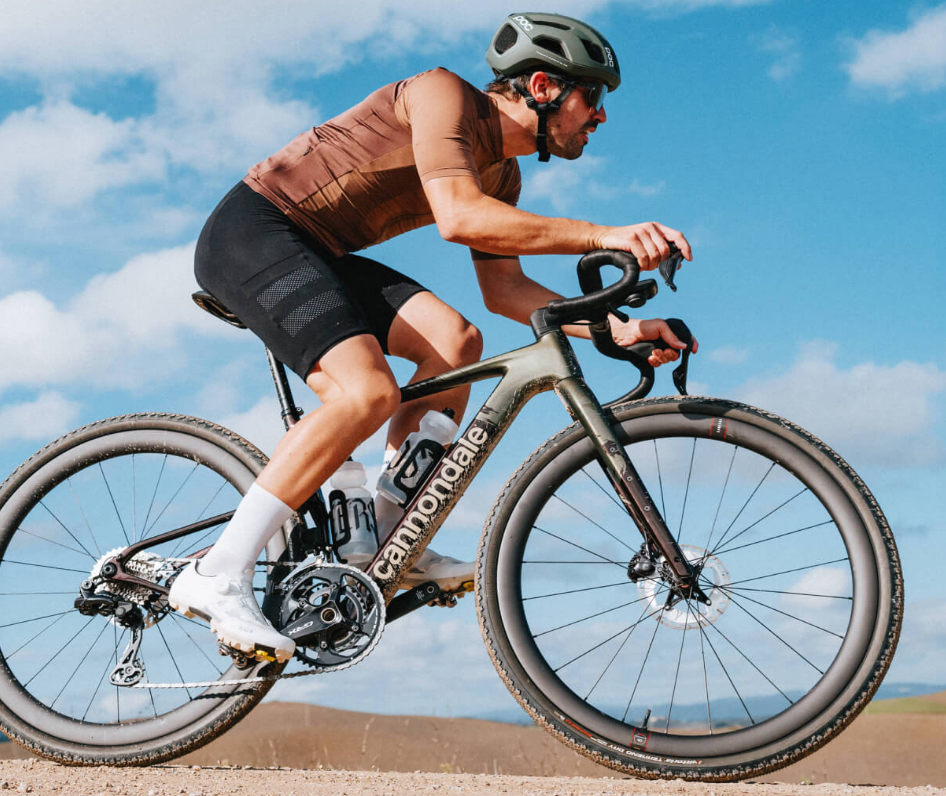
What is a gravel bike best for?
Gravel bikes bridge the gap between road bikes and mountain bikes, offering versatility as they adapt to a variety of terrains.
Maintenance and running costs
They tend to have comparable maintenance costs to road bikes, something to bear in mind however, the mixed terrain riding can increase overall wear on tyres and drivetrains.
Typical costs include:
- Tyres: £50-£100 per pair (May need replacing every 1,500-3,000 miles)
- Chain: £10-£50
- Brake pads: £5-£20
- Servicing: Every 6-12 months
What to consider before buying a gravel bike?
Tyre clearance
Tyre clearance is one of the key differences between gravel bikes and plays a major role in comfort and capability across mixed terrain. Typically the tyre sizes range between 35mm-50mm.
Geometry
Compared to a road bike, a gravel bike usually has a longer wheelbase and a more upright riding position making it feel steadier on rougher surfaces. Some gravel bikes use relaxed ‘adventure’ geometry for longer rides and bikepacking, while others can feature more aggressive geometry for faster handling and speed.
Pros and cons of a gravel bike
Pros:
- Extremely versatile
- Offer comfort on long rides
- Great for commuting and bikepacking
Cons:
- Not as fast as a dedicated road bike
- Not as capable off-road as a mountain bike
- Higher spec levels can come at a premium cost
E-Bike
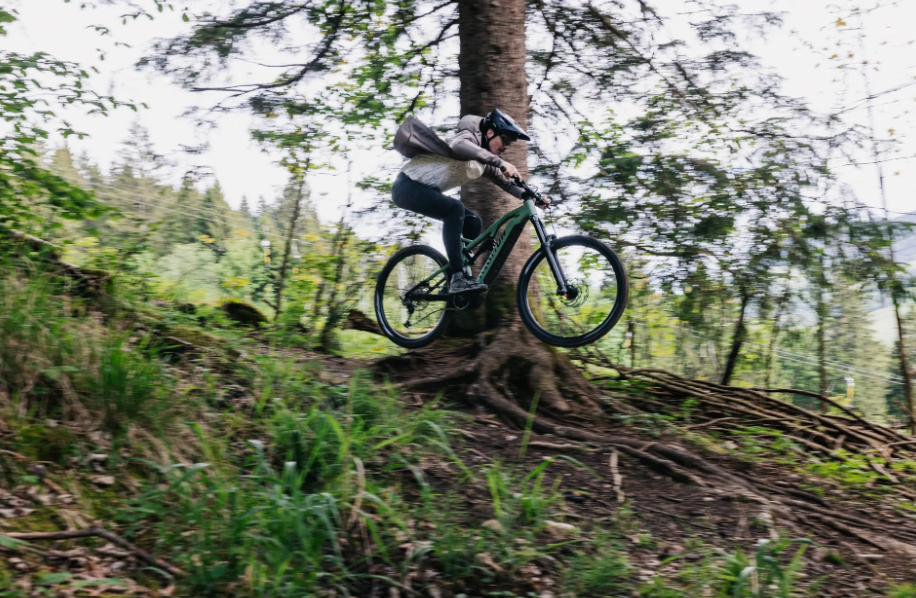
What is an E-bike best for?
E-Bikes use an electric motor to assist your pedalling, depending on the type of E-Bike you opt for it will affect what terrain it is best suited for, many of the bike types you are already familiar with are also available as E-Bikes.
Different types of E-bikes
- Electric hybrid bikes
- Electric mountain bikes (eMTBs)
- Electric road/gravel
Maintenance and running costs
With the addition of electrical components you can expect this to increase costs slightly.
Typical costs include:
- Battery replacements: £200-£600
- Tyres: Dependant on bike type
- Brake pads: £10-£30
- Motor diagnostics/software updates: £20-£60
- General servicing: Every 6-12 months
What to consider before buying an E-bike?
Battery range
Depending on the E-bike battery capacity, you can expect a typical battery to range from 25-60 miles on a single charge.
Motor position
Hub motors are located in the center of either the front or rear wheel and they drive the wheel directly, offering simplicity and value as they tend to be lower in terms of cost and maintenance.
A mid-drive motor (also known as a Crank Drive) is positioned in the centre, it drives the bike’s chain instead of turning the wheel directly like a hub motor.
Weight
Something to note with E-bikes is they tend to be heavier than standard bikes due to the motor and battery. Transporting and handling the bike may need extra consideration.
UK legal regulations overview
In the UK, legal e-bikes known as Electrically Assisted Pedal Cycles (EAPCs) have to abide by certain regulations set out by the UK Government:
- The bike must have pedals that can be used to propel it
- Maximum power output of 250 Watts
- Assistance that cuts out at 15.5mph
Read our UK E-bike laws and regulations guide for a full breakdown.
Pros and cons of an E-bike
Pros:
- Makes cycling more accessible
- Great for commutes
- Ideal for longer or hilly journeys
Cons:
- Higher upfront cost
- Heavier than other bikes
- More complex maintenance
How to decide which bike type is best for you?
- Choose a road bike if speed, fitness and long-distance riding are your priority.
- Choose a mountain bike if you plan to ride on rough terrain and trails regularly.
- Choose a gravel bike if you want a bike that can handle mixed terrain and adventure riding.
- Choose an e-bike if you want assistance on commuting, hills or longer rides.
Is a gravel bike faster than a mountain bike?
Usually, yes. A gravel bike is faster on roads, lanes and smoother off-road routes because it has narrower tyres, lighter handling and less rolling resistance.
Can I use a mountain bike on the road?
Yes, but it will feel slower and less efficient than a road or gravel bike because of the wider tyres, heavier frame and suspension.
Are e-bikes legal in the UK?
Yes, as long as they meet EAPC regulations, including a 250W maximum motor output and assistance cutting out at 15.5mph.
What is the best bike for commuting?
For road-only commuting, a road, hybrid or electric bike can work well. For mixed surfaces or rougher routes, a gravel bike or electric hybrid may be better.
What is the most versatile bike type?
For most riders, a gravel bike is one of the most versatile options because it can handle roads, lanes, light trails and longer rides.
Ultimately, the best bike is the one that suits your riding style, goals and where you plan to ride most often.
Ready to find your next bike? Browse our road bikes, mountain bikes, gravel bikes and E-bikes, or visit us in store for expert guidance and personalised recommendations.


