Commuting by bike sounds simple until real life gets involved.
There are hills. Bad weather. Busy roads. Work clothes. Laptops. Tired legs. And the small issue of not wanting to arrive at work looking like you have just finished a stage of the Tour de France.
That is where electric bikes come in.
A good commuting e-bike can make the daily journey faster, easier and more realistic. It gives you assistance when you need it, helps flatten hills, takes the edge off headwinds and makes longer rides feel more manageable.
But the best electric bike for commuting is not the same for everyone. A rider doing three flat miles through town needs something very different from someone riding 12 miles each way on country roads.
This guide will help you choose the right electric bike for your commute.
Quick answer: what is the best electric bike for commuting?
For most UK commuters, the best choice is an electric hybrid bike.
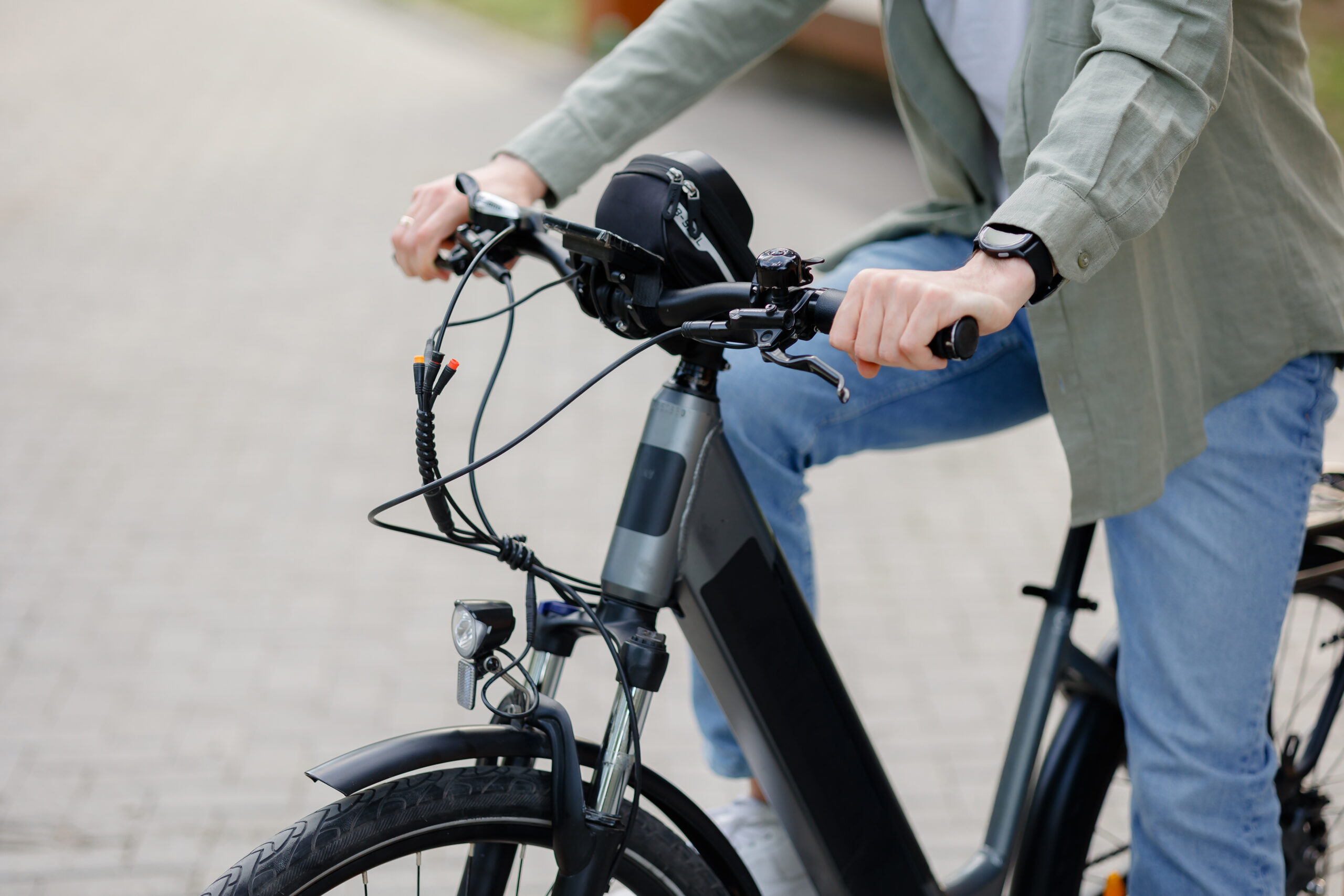
Electric hybrid bikes are comfortable, practical and versatile. They usually have a more upright riding position than a road bike, enough tyre width for rough roads and cycle paths, and the option to fit mudguards, racks, lights and panniers.
Choose an electric hybrid bike if you want one bike for:
Daily commuting
Leisure riding
Cycle paths
Town and country roads
Carrying bags or work kit
Comfort over speed
If your commute includes rough lanes, forest tracks or very poor roads, an electric mountain bike may be better. If you want speed and longer road rides, an electric road or gravel bike could be the stronger option.
Why electric bikes are so good for commuting?
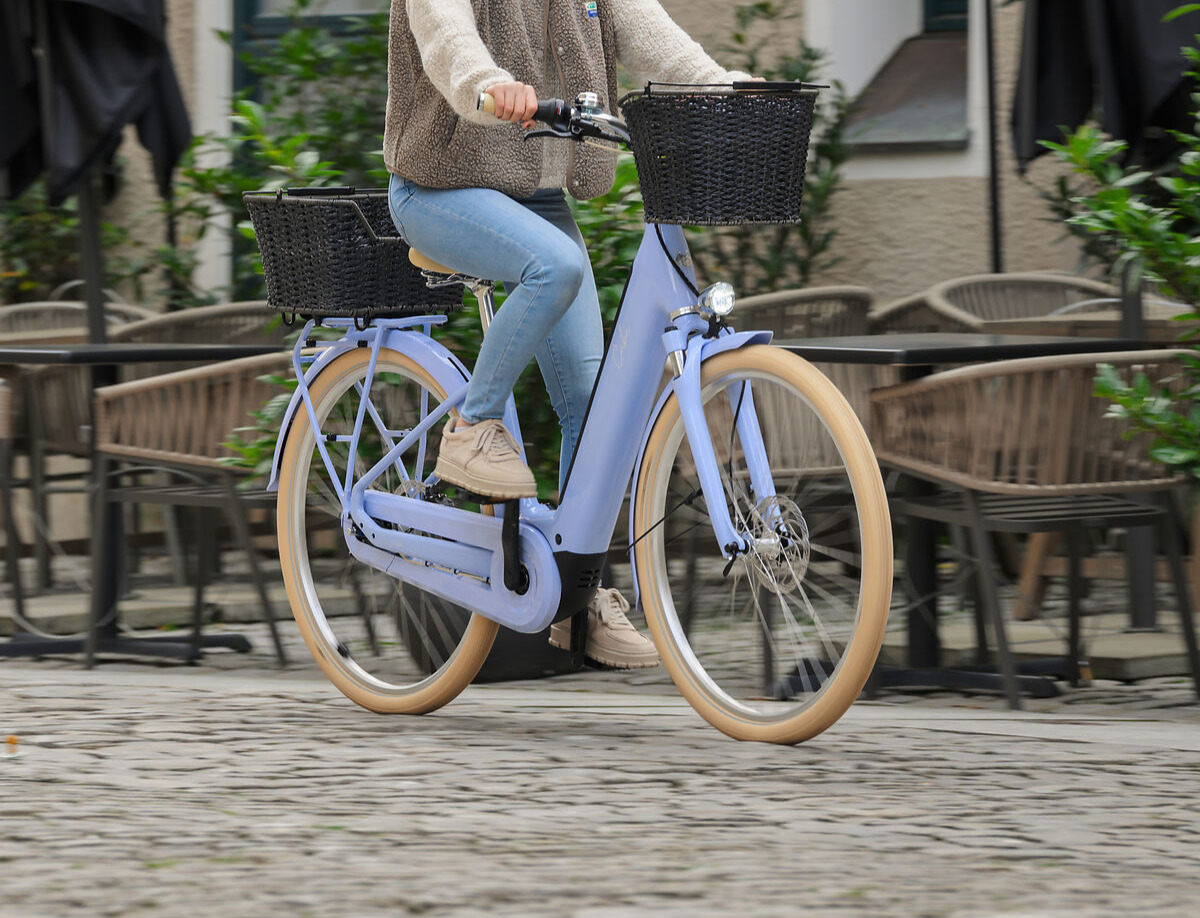
The biggest benefit of an electric bike is consistency.
On a normal bike, your commute can feel very different depending on your energy, the weather and the route. On an e-bike, you still pedal, but the motor gives you assistance when you need it.
That means you can ride to work without completely draining yourself before the day has started.
An e-bike can help with:
Hills
Headwinds
Longer commutes
Carrying bags
Riding more often
Reducing car use
Making cycling feel less intimidating
It can also make commuting by bike more realistic for people who like the idea of cycling but worry about fitness, distance or arriving at work sweaty.
Are electric bikes legal in the UK?
Yes, electric bikes are legal in the UK as long as they meet EAPC rules.
To be classed as an electrically assisted pedal cycle, the bike must have pedals, the motor must have a continuous rated power output of no more than 250 watts, and the electrical assistance must cut off at 15.5mph.
You can still ride faster than 15.5mph, but the motor will no longer assist you above that speed.
For normal road use, a legal e-bike does not need tax, insurance or a licence.
What type of electric bike should you choose for commuting?
Electric hybrid bike: best for most commuters
An electric hybrid bike is the safest choice for most people.
It gives you a comfortable riding position, stable handling and enough practicality for everyday use. Many hybrid e-bikes are designed with commuting in mind, so they often work well with mudguards, pannier racks, lights and wider tyres.
Choose an electric hybrid bike if your commute includes:
Roads
Cycle paths
Light gravel
Town riding
Mixed surfaces
A bag or laptop
Daily year-round use
This is the best all-round option for most commuters.
Best for: everyday commuting, comfort and practicality.
Electric mountain bike: best for rough roads and trails
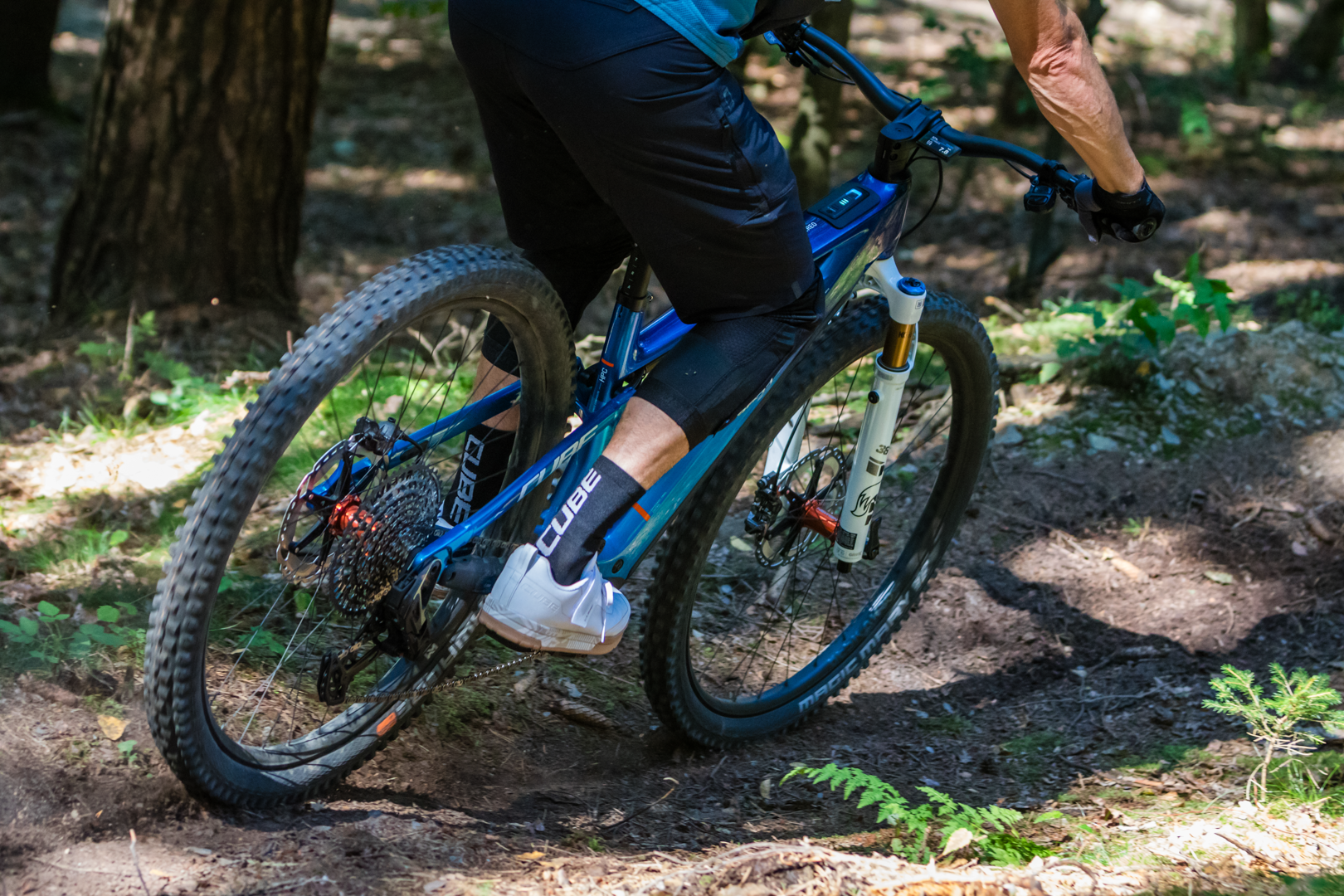
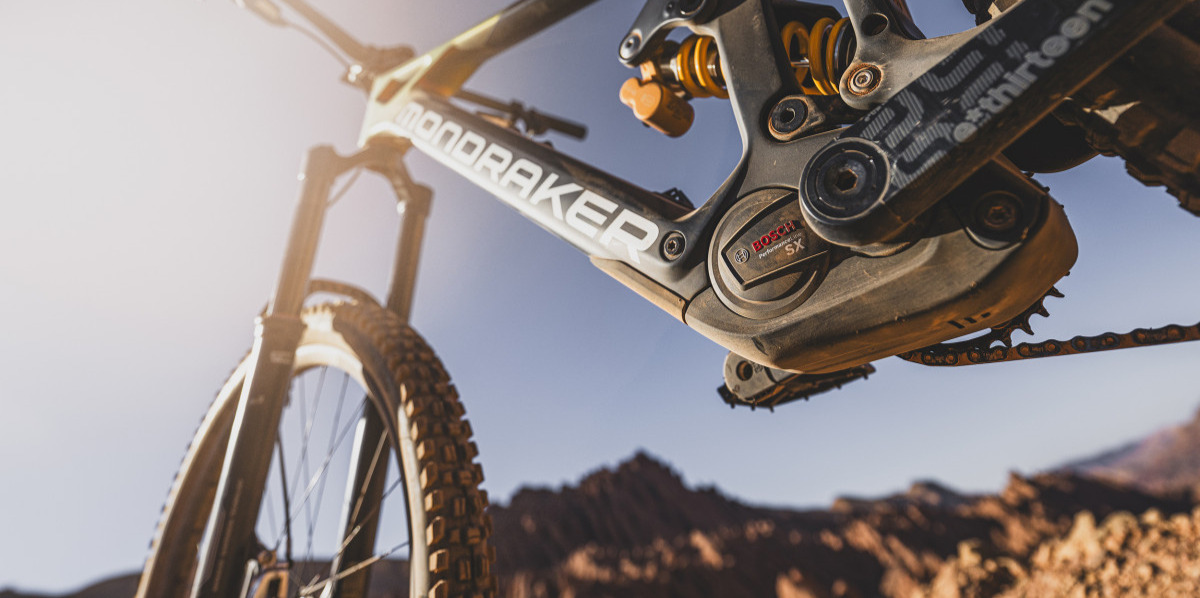
An electric mountain bike can work well for commuting if your route includes poor road surfaces, bridleways, tracks or rough lanes.
The wider tyres and suspension can make the ride more comfortable, especially on broken roads or uneven paths. They also feel stable and confidence-inspiring.
The downside is that electric mountain bikes are usually heavier and less efficient on smooth roads than hybrid or road e-bikes.
Choose an electric mountain bike if your commute includes:
Rough roads
Gravel tracks
Country lanes
Forest paths
Steep climbs
Weekend off-road riding
Best for: riders who want one bike for commuting and off-road fun.
Electric road bike: best for faster commutes
An electric road bike is a good option if you already enjoy road cycling and want a faster, lighter bike for commuting.
They are usually more efficient than electric hybrids and mountain bikes, especially over longer distances. The riding position is sportier, which helps with speed, but may feel less comfortable for beginners or riders carrying heavy bags.
Choose an electric road bike if you:
Want a faster commute
Ride mostly on tarmac
Already enjoy drop bars
Prefer speed over upright comfort
May also use it for weekend road rides
Best for: faster riders with longer road-based commutes.
Electric gravel bike: best for mixed road and path commuting
An electric gravel bike sits between a road bike and a hybrid.
It is faster than a hybrid on the road, but more capable than a road bike on rough surfaces. This makes it a good option if your commute includes roads, cycle paths, gravel tracks or poor-quality lanes.
Choose an electric gravel bike if you want:
Road speed
More tyre clearance
Drop bars
Mixed-surface ability
A bike for commuting and adventure rides
Best for: mixed routes and riders who want one bike for commuting, fitness and weekend exploring.
Folding electric bike: best for train and office storage
A folding e-bike can be useful if you combine cycling with public transport or have limited storage at home or work.
They are not always as comfortable or efficient as full-size e-bikes, but they solve one major problem: space.
Choose a folding electric bike if you:
Use the train
Live in a flat
Need office storage
Have limited garage space
Only ride shorter distances
Best for: short urban commutes and mixed public transport journeys.
How much battery range do you need?

Battery range depends on the bike, rider weight, terrain, assistance mode, weather and how much kit you carry.
As a simple guide:
For a short commute under 5 miles each way, most e-bikes will have plenty of range.
For 5 to 10 miles each way, look for a reliable mid-range battery and sensible assistance levels.
For 10 miles or more each way, prioritise battery capacity, motor quality and charging convenience.
If your commute is hilly, windy or loaded with bags, choose more battery range than you think you need.
A bigger battery is not just about distance. It also gives you more margin, especially in winter when range can drop.
What features matter most on a commuting e-bike?
Comfortable riding position
For commuting, comfort matters more than outright speed.
Look for a bike that lets you ride without too much strain on your back, neck, hands or wrists. Hybrid e-bikes are usually best for this because they put you in a more upright position.
Disc brakes
Disc brakes are important for commuting because they give reliable stopping power in wet weather.
Hydraulic disc brakes are usually smoother and more powerful than mechanical disc brakes, but either can work well if set up correctly.
Mudguard and rack compatibility
This is a big one.
A fast e-bike with no mudguards may look great in summer, but it becomes less practical in November. For commuting, check whether the bike can take mudguards and a pannier rack.
Panniers are usually better than riding with a heavy backpack, especially over longer distances.
Tyres
For commuting, tyres should balance speed, grip and puncture protection.
Wider tyres can add comfort and control, especially on rough roads. If you are riding daily, puncture resistance is worth prioritising over saving a tiny amount of weight.
Integrated lights
Integrated lights are useful because they run from the bike’s battery, meaning you are less likely to forget them or run out of charge.
If the bike does not have integrated lights, invest in a good front and rear light set.
Is an electric bike worth it for commuting?
For many riders, yes.
An e-bike costs more than a normal bike upfront, but it can make cycling to work much more achievable. If it helps you replace car journeys, reduce fuel costs or avoid public transport, the value can quickly become clear.
It is especially worth considering if:
Your commute feels slightly too far on a normal bike
You have hills on the route
You want to ride more often
You want to arrive at work fresher
You are considering the Cycle to Work scheme
You want one bike for commuting and leisure
For a lot of people, the best bike is not the cheapest one. It is the one they will actually use.
Can you get an electric bike on Cycle to Work?
Yes, many electric bikes can be bought through Cycle to Work schemes, depending on your employer and scheme provider.
This can make an e-bike more affordable by spreading the cost and using salary sacrifice. It is one reason e-bikes have become more attractive for commuters.
If you are buying through Cycle to Work, check:
Your employer’s scheme provider
The scheme limit
Whether accessories are included
Whether the bike is in stock
How long approval takes
Whether finance or other offers can be combined
Electric bike or normal bike for commuting?
Choose a normal bike if your commute is short, flat and you want the lowest cost option.
Choose an electric bike if your commute is longer, hillier or harder to do consistently.
A normal bike is cheaper and lighter. An e-bike is more expensive and heavier, but it can make the commute easier, more comfortable and more realistic throughout the year.
For many riders, the electric bike wins because it removes excuses.
Final recommendation
If you are unsure where to start, choose an electric hybrid bike.
It is the best balance of comfort, practicality and everyday usability for most UK commuters. You can ride it to work, use it at the weekend, fit commuting accessories and take on a mix of roads and cycle paths.
If your commute is rough, look at electric mountain bikes.
If your commute is fast and road-focused, look at electric road or gravel bikes.
If space is the issue, look at folding electric bikes.
The best commuting e-bike is the one that fits your route, your budget and the way you actually ride.
Ready to make your commute easier? Explore the latest electric bikes at Pauls Cycles, with top brands, nationwide delivery, Cycle to Work options and finance available.
FAQs
What is the best electric bike for commuting?
For most commuters, an electric hybrid bike is the best choice. It gives a comfortable riding position, practical accessory options and enough versatility for roads, cycle paths and everyday use.
How far can you commute on an electric bike?
Many riders comfortably commute 5 to 15 miles each way on an electric bike, depending on the route, battery size and assistance level. For longer or hillier commutes, choose a bike with a larger battery and reliable motor system.
Do electric bikes charge while pedaling?
Most electric bikes do not meaningfully recharge while pedalling. You charge the battery from the mains, then use the motor assistance while riding.
Do I need insurance for an electric bike?
For a legal EAPC e-bike in the UK, you do not legally need insurance, tax or a licence. However, insurance can still be sensible for theft protection and peace of mind.
Are electric bikes good in the rain?
Yes, quality electric bikes are designed to handle normal UK riding conditions, including rain. You should still avoid submerging electrical components and keep the bike clean, charged and maintained.
How fast can an electric bike go?
In the UK, the motor assistance must cut off at 15.5mph on a legal e-bike. You can ride faster than that under your own pedalling power, but the motor will no longer assist above that speed.
Make your commute easier with an electric bike from Pauls Cycles
Explore electric bikes from leading brands including Cube, Giant, Cannondale and more. Shop online, choose nationwide delivery or Click & Collect, and spread the cost with finance or Cycle to Work options.


