

Treat your battery well and it will perform for years. A few simple habits can delay the need for an unexpected early replacement.
Taking the right approach to charging, storage and everyday use can make a real difference to electric bike battery life, helping you get more miles from every charge while protecting your investment.
In this guide, we’ll look beyond simply charging your battery. We’ll cover the everyday habits that can help reduce unnecessary wear, how temperature and storage affect battery performance, the warning signs of a battery that needs attention, and when it may be time to have your battery checked or replaced.
Why Battery Care Matters
Battery care helps by:
- Maintaining riding range
- Reducing unnecessary wear
- Protecting the battery during periods of storage
- Delaying the cost of a replacement battery
A replacement battery can be a significant expense, so looking after it properly makes sense. Charging habits, storage conditions and everyday use can all affect battery performance and longevity. If you have questions about battery range, charging times or general e-bike ownership, see our e-bike frequently asked questions.
How Long Does an E-Bike Battery Last?
E-bike batteries gradually lose capacity as they are used. How quickly this happens depends on factors including the battery itself, how frequently it is used and charged, storage conditions, temperature and general maintenance. A gradual reduction in range is normal. A sudden or significant change in performance may indicate that the battery needs checking.
Best Charging Habits for Your E-Bike Battery
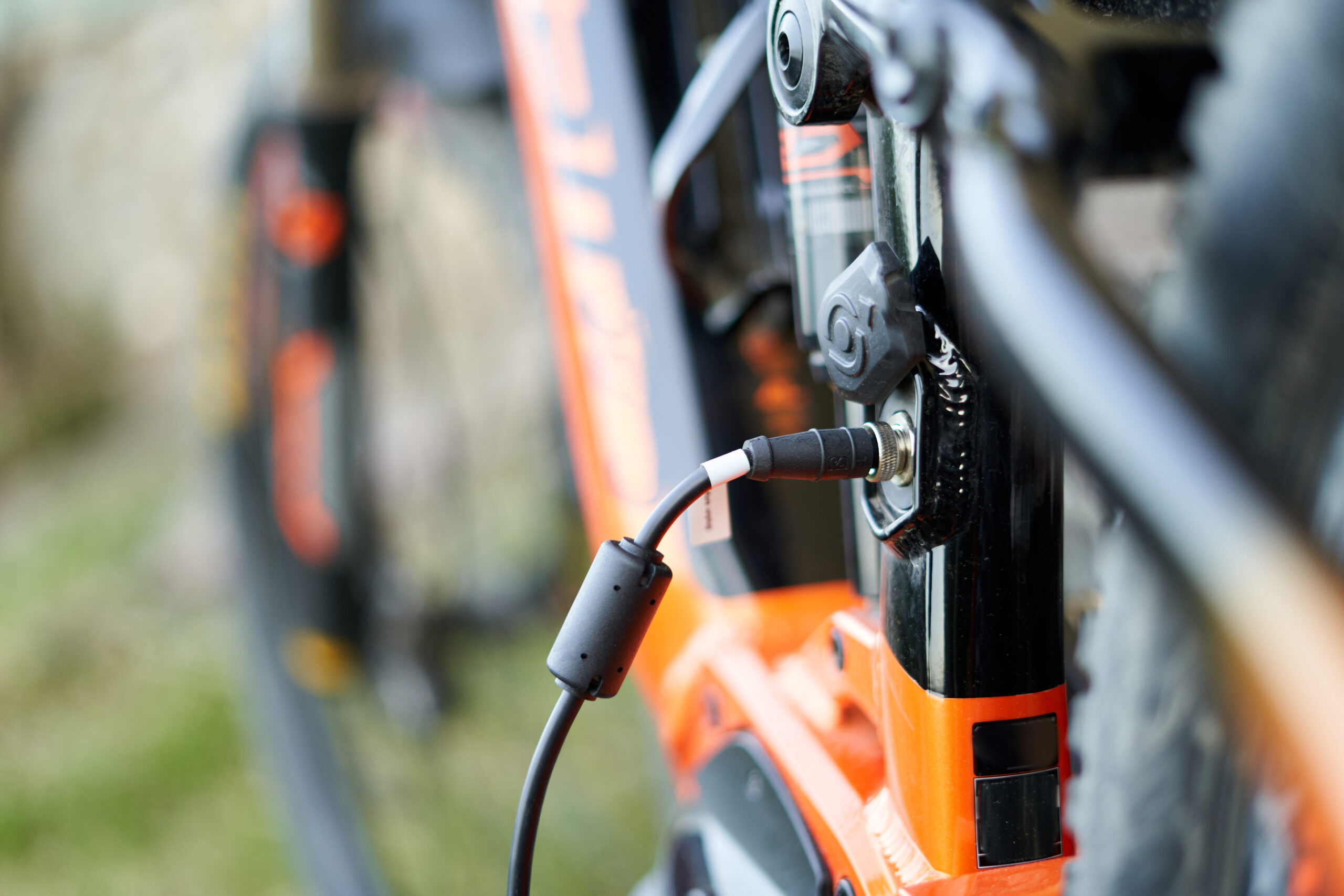
Avoid Regularly Running the Battery Completely Flat
While occasionally using the full battery capacity is unlikely to cause problems, regularly draining your battery until it is completely empty can put unnecessary stress on the cells.
Don’t Leave Your Battery Charging Indefinitely
Modern e-bike batteries and chargers are designed with safety features, but it is still good practice to unplug your battery once it has reached a full charge.
Charging overnight occasionally is unlikely to cause an issue with a quality system, but avoiding unnecessary time connected to the charger is a sensible habit.
Use the Correct Charger
Always use the charger supplied with your e-bike or an approved replacement from the manufacturer. For more information on safe charging, storage and battery care, see the GOV.UK battery safety guidance for e-cycle users. Using an incorrect charger can affect charging performance and may damage the battery.
If you notice your battery is taking much longer than usual to charge, it may be worth having it checked.
E-Bike Battery Storage Tips
Store Your Battery Somewhere Dry and Cool
A dry indoor location is usually the best place to store your e-bike battery. Avoid leaving your battery in direct sunlight, freezing conditions or damp environments for long periods.
Don’t Store It Fully Empty
If you are putting your e-bike away for several weeks or months, avoid leaving the battery completely flat. A partially charged battery is better suited for longer storage.
If your bike is stored for an extended period, check the battery level occasionally and recharge if needed.
How Weather Affects Your E-Bike Battery
E-bike batteries are designed to handle everyday riding conditions, including typical UK weather. However, extreme temperatures and prolonged exposure to moisture can affect the performance
Cold weather can temporarily reduce your battery range, meaning you may notice fewer miles from a charge during winter. This usually subsides as the battery warms up.
After riding in wet or muddy conditions, wipe down your bike and avoid storing the battery while it is wet.
Keeping the rest of your bike clean and well maintained is just as important. See our guide to basic bike maintenance for practical maintenance tips.
How to Store an E-Bike Battery for Winter
If you’re using your e-bike less during the colder months, don’t simply put it away and forget about the battery.
Before storing your bike:
Check the battery condition.
Follow the manufacturer’s recommended charge level for storage.
Remove the battery if your bike allows this and indoor storage is more suitable.
Keep it somewhere dry and away from extreme temperatures.
Don’t leave it completely flat for an extended period.
Check the battery occasionally during long-term storage.
Inspect it again before putting the bike back into regular use.
Your manufacturer’s instructions should always take priority, particularly when they specify a particular storage charge level or temperature range.
Common Mistakes That Reduce Battery Life
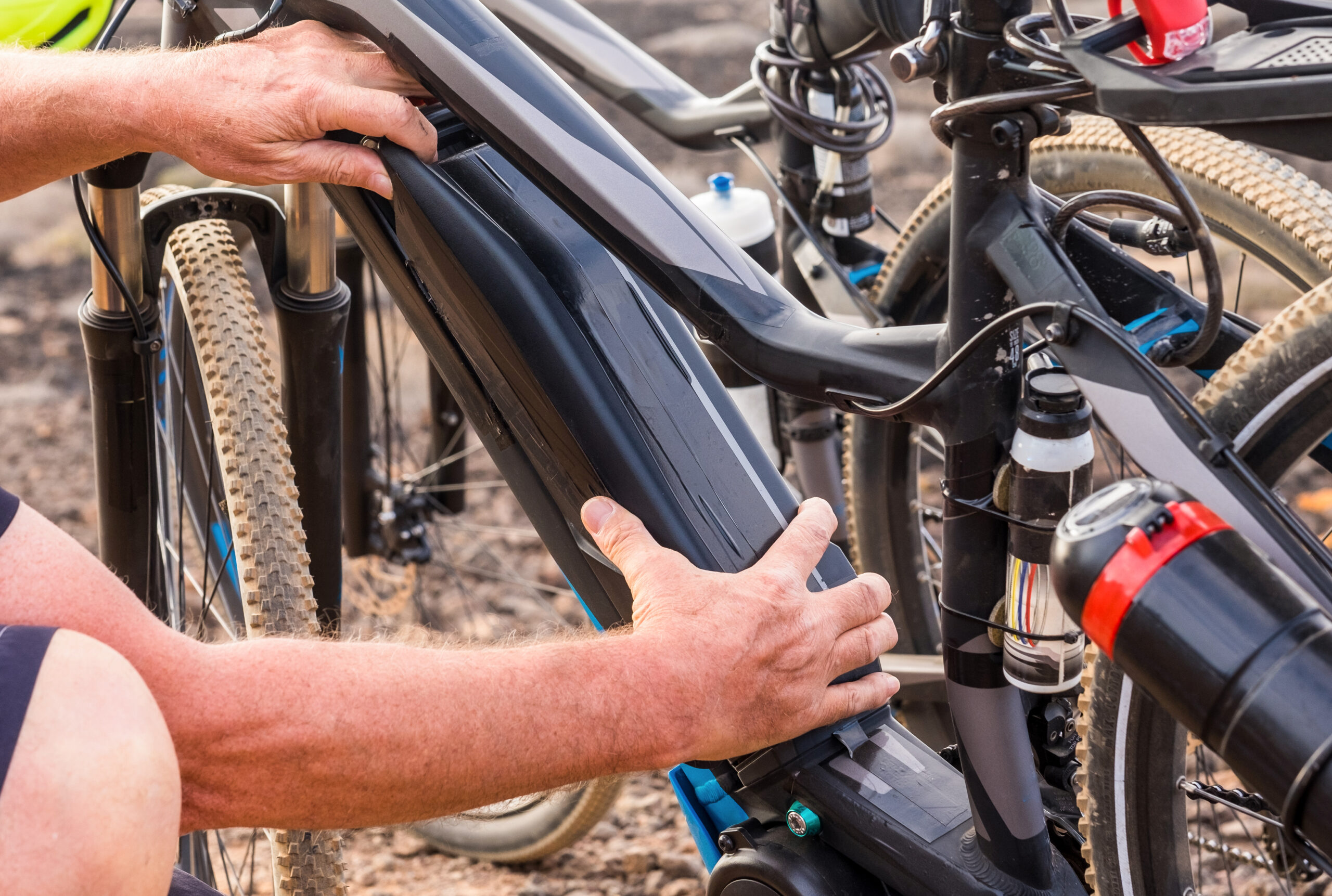
Leaving the Battery Empty for Long Periods
One of the most common mistakes is storing an e-bike with a completely flat battery. If you are not riding for a while, check the charge level regularly.
Ignoring Warning Signs
Getting your e-bike checked early can help identify potential issues before they become more expensive problems. A noticeable drop in range, unusual charging behaviour or error messages from your bike should not be ignored.
Using the Wrong Charger
A charger that is not designed for your battery can cause problems, always use manufacturer-approved equipment.
When Should You Replace an E-Bike Battery?
Even with care, every e-bike battery will eventually lose capacity.
Signs that your battery may need replacing include:
- A significant reduction in riding range
- The battery no longer holds charge
- Unexpected power cuts while riding
- Longer charging times than usual
- Visible damage or swelling
If you are unsure whether your battery needs replacing, a professional e-bike inspection can help identify whether the issue is with the battery, charger or another part of the system.
Can an E-Bike Battery Be Serviced?
During a service, technicians can check the battery, carry out any available software updates, and identify potential issues before they become bigger problems. If your e-bike is due for a check-up, you can book an e-bike service with our workshop to keep your bike performing at its best.
E-Bike Battery Care FAQs
How often should I charge my e-bike battery?
Charge your battery whenever it is convenient rather than waiting until it is completely empty. For most riders, charging after a ride or when the battery level is getting low is a good routine.
Should I remove my e-bike battery when storing my bike?
If possible, storing the battery indoors is recommended, especially during very cold or hot weather.
Can I leave my e-bike battery charging overnight?
Many modern e-bike charging systems are designed to stop charging once the battery is full. It is still good practice to unplug the charger once charging is complete where possible.
How can I make my e-bike battery last longer?
The best ways to extend battery life are to avoid extreme temperatures, use the correct charger, avoid regularly draining the battery completely and store it correctly when not in use.


