

Like many riders on the search for their next bike they can soon find themselves torn between two frame materials: Carbon vs Aluminum. Both are proven choices and available across road, mountain, gravel bikes.
Aluminium, often referred to as alloy, remains popular because it offers a compelling combination of low weight, stiffness, durability and value. Carbon fibre, meanwhile, gives manufacturers considerably more freedom to tune a frame’s stiffness, compliance, shape and weight.
That means there isn’t a universally “better” material. A well-designed aluminium bike can be an excellent choice for everyday riding, racing, commuting and weekend adventures. Carbon can make particular sense when low weight, ride tuning and high performance are priorities.
So, if you’re comparing an aluminium vs carbon bike, here’s what you need to know before making your decision.
Carbon vs Aluminum: At a glance
Aluminum | Carbon | |
Weight | Lightweight | Generally lighter at comparable performance levels |
Comfort | Can be very comfortable with good frame design and tyres | Greater freedom to tune compliance |
Responsiveness | Stiff and responsive | Can combine stiffness with targeted compliance |
Durability | Robust and well suited to everyday use | Strong when properly designed, but damage can be harder to access |
Repairability | Can often be repaired by specialist welders, depending on manufacturer guidance | Repairs are specialist composite work and depend on the type and location of damage |
Price | Generally more affordable | Usually carries a premium, particularly at higher performance levels |
Best for | Value-conscious riders, everyday use and performance on a budget | Riders prioritising low weight, frame tuning and high performance |
Factors such as frame design, overall construction quality, geometry, components, wheels and tyres can make a bigger difference to the way a particular bike riders than just the bike material alone. As Cycling UK points out, common frame materials all have advantages and disadvantages; aluminium is a good choice when you want something light and relatively inexpensive, while carbon can offer an outstanding strength-to-weight ratio.
How are aluminum and carbon frames made?

Aluminum Frames
Aluminum frames are made from aluminum alloys rather than just pure aluminium, common examples include 6061 and 7005 aluminium. Manufacturers use different alloy and treatments to achieve the desired characteristics.
The tubing can be butted hydroformed or otherwise shaped to put material where it is needed to reduce where it isn’t. Individual base tubes are then joined, usually by welding, to create the finished frame.
This gives plenty of scope to balance the weight, stiffness and overall durability while keeping manufacturing costs relatively controlled.
Carbon Frames
Carbon fibre works differently. Instead of being just a single metal structure, a carbon frame is built from carbon fibres held together in a resin matrix. Manufacturers can then tweak the orientation, number and type of fibre layers in different areas of the frame.
This is a notable advantage, rather than having broadly the same material properties in every direction, engineers can tailor the layup to achieve particular stiffness and compliance characteristics in different parts of the frame.
In other words, carbon isn’t simply a lighter version of aluminum. It gives manufactures another way to design the structure of the bike.
Don’t overlook the components
Frame material is not the only thing to consider, don’t spend too much time focusing solely on the material and ignore everything that is attached to it.
Two bikes with similar frame materials can ride very differently because one has lighter wheels, better tyres or a different drivetrain. It is especially important to look at the complete specification when deciding if a carbon upgrade is worthwhile.
You can browse the full range of bikes to compare specifications across different price points and frame materials.
Carbon vs Aluminum: Which is lighter?
Carbon generally has the advantage when low weight is a priority. It’s particularly prevalent at higher performance levels.
The reason is carbon’s excellent strength-to-weight potential. Engineers can place where they are most effective and remove material where it isn’t required, helping manufacturers create very light frames without simply making every tube thinner.
This doesn’t mean that every carbon bike will be lighter than every aluminum bike. A carbon frame paired with heavy wheels, tyres and other components can easily outweigh a well-equipped aluminum bike.
Our advice: If you’re trying to make a bike lighter, look at the whole package. A carbon frame may be worthwhile, but it’s not a straightforward route to a lighter bike.
Is a carbon frame more comfortable?
This is where carbon can in particular offer an advantage, but it’s worth looking beyond the material.
Manufacturers can vary the fibre lay-up and frame shape, they have more freedom to tune how a carbon frame responds to bumps, vibrations and pedalling forces.
That can help to create a bike that feels composed on rough roads or on long rides.
Aluminium can still be comfortable though, modern frame designs can improve ride feel, and tyres are notably important when it comes to absorbing road buzz and small bumps. Tyre width, pressure, wheel choice, geometry and seatpost design all play a part.
On a mountain bike specifically, suspension set up and tyre choice can have a much bigger influence on comfort and control than the frame material alone.
So, is carbon automatically more comfortable? No. A well designed aluminium bike with suitable tyres can be a great choice for longer rides, while a poorly matched carbon bike may not deliver the riding you’re hoping for.
If comfort is your priority, consider the type of riding you do and the complete bike specification. Where possible test out both materials before making a decision.
For mixed terrain riding, explore our range of gravel bikes.
Which is more durable: Carbon or aluminum?

Both materials can provide years of service when the frame is correctly designed, maintained and used as intended. They simply need to be treated a little differently.
Aluminium Durability
Aluminium is a practical choice for everyday riding, commuting and regular trail use. It can withstand plenty of normal riding abuse, although a sufficiently hard impact can dent or crack a frame.
Like other structural materials, aluminium alloys can also suffer fatigue over time. Inspect your bike regularly and pay attention to any cracks, dents, unusual noises or changes in how it feels.
Don’t assume a damaged frame is safe just because the damage looks small.
Carbon Durability
Carbon frames are engineered to handle the loads they’re designed for, and carbon is not inherently fragile in normal use. However, a sharp impact, crash or incorrect clamping force can damage the composite structure.
One complication is that damage can be difficult to identify from the outside. Paintwork may not tell the whole story, and a frame that looks fine should not automatically be considered safe after a significant impact.
If you suspect your frame has been damaged, stop riding and seek a qualified assessment in line with the manufacturer’s instructions.
Can Aluminium and Carbon Frames Be Repaired?
Repairability depends on the material, the type and location of the damage, the frame’s construction and the manufacturer’s recommendations.
Although aluminium frames can sometimes be repaired by specialists, welding can affect the alloy’s heat treatment and structural integrity. A repair may not be safe, manufacturer-approved or economically worthwhile.
Specialist carbon repairs are also possible in some circumstances, but not every damaged frame can or should be repaired.
The bottom line: neither material is indestructible. Look after your bike, follow the manufacturer’s maintenance guidance and don’t ignore suspected frame damage.
Is a carbon frame worth the extra money?
This is where your riding habits and budget really come into play.
Carbon can be worth paying more for if you’re chasing a lower overall weight, want a performance-focused frame or value the freedom it gives manufacturers to tune ride characteristics.
If you ride regularly, take part in events or simply enjoy upgrading your equipment, those benefits may be worth the premium.
But if you’re buying your first road bike, commuting regularly or looking for a capable weekend bike, a good aluminium model can make more financial sense.
The money saved on the frame could go towards better wheels, tyres, brakes or gearing. These components can have a noticeable effect on how a bike feels to ride.
Think about two bikes at a similar price: one has a carbon frame but a more basic component specification, while the other has an aluminium frame and better wheels and gearing.
Depending on your priorities, the aluminium bike could be the better overall purchase.
It’s also worth comparing fit, geometry, intended use and the quality of the complete build. A frame material shouldn’t be the only reason to choose one bike over another.
Our advice: buy carbon because its advantages matter to you, not simply because it sounds more premium.
Carbon vs Aluminium: Which Should You Buy?
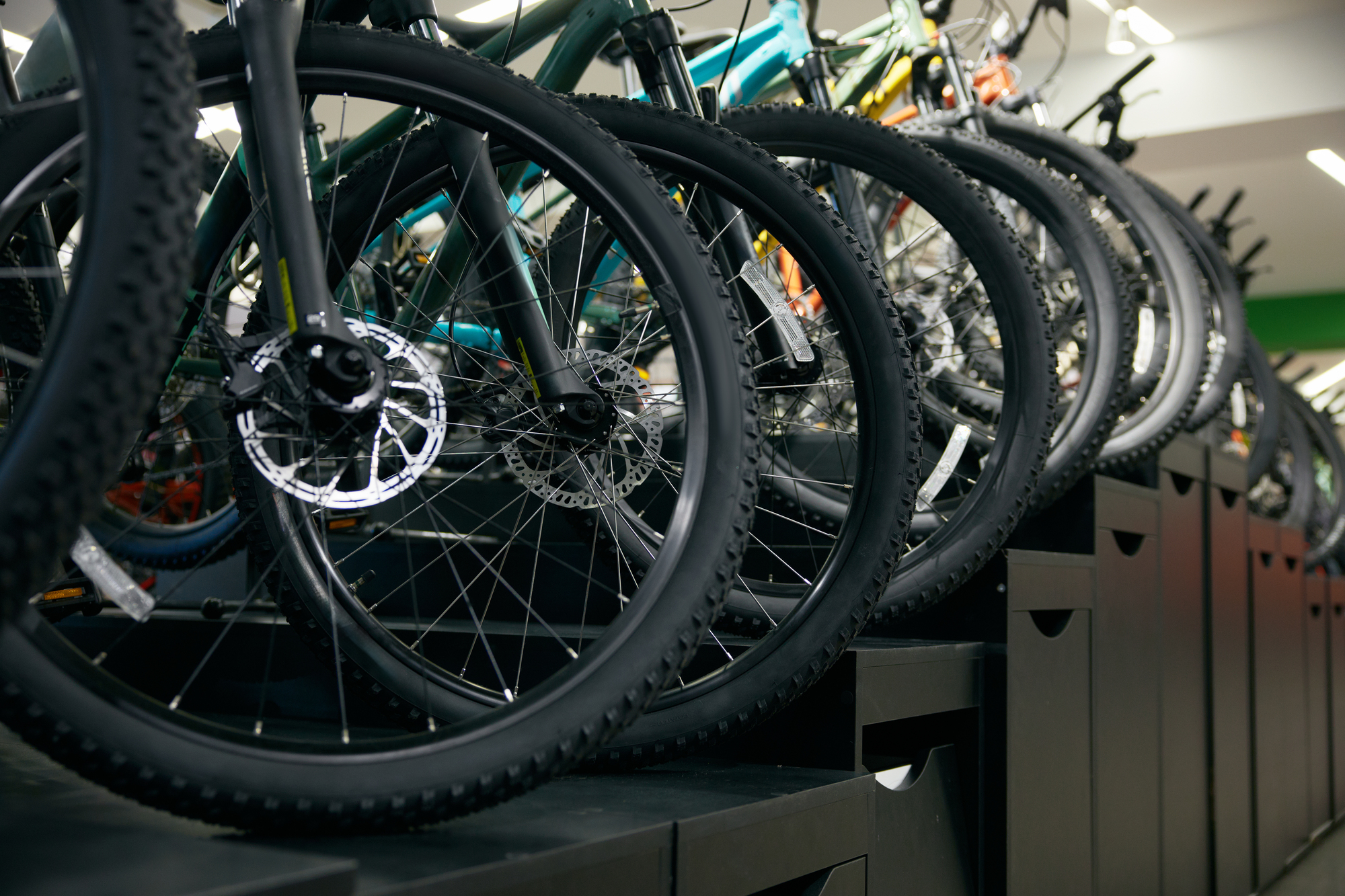
Still undecided? Start with how you plan to use your bike.
Choose Aluminium If…
- You want a capable bike without stretching your budget.
- You’re commuting, enjoying recreational rides or exploring trails.
- You’d rather spend more of your budget on components and equipment.
- You want plenty of choice across entry-level and mid-range bikes.
- Aluminium is a sensible choice for a huge range of riders.
- Browse aluminium road bikes at Pauls Cycles to see how alloy frames compare across different price points.
Choose Carbon If…
- Keeping weight down is a priority.
- You’re looking for a performance-focused bike.
- You value the way a manufacturer can tune frame stiffness and compliance.
- You’ve compared the complete specifications and are happy that the upgrade is worth the extra cost.
Carbon can be an excellent investment when it matches your riding goals and budget. Just remember that frame design and the rest of the bike still matters.
Find Your Next Bike
Whether you choose carbon or aluminium, the best bike is the one that suits your riding, fits you properly and gives you the features you’ll genuinely use.
Start by exploring our range:
Road bikes – for everything from everyday road rides to faster, performance-focused cycling.
Gravel bikes – for exploring back roads, gravel tracks and longer adventures.
Mountain bikes – for trails, cross-country riding and more demanding off-road routes.
All bikes – compare options across different riding styles and price points.
Compare the specifications, consider what matters most to you and choose a bike that fits both your ambitions and your budget.
After all, you don’t need the most expensive frame material to have a brilliant ride.


