A lot of people shopping for an e-bike spend hours comparing battery sizes, frame designs and claimed range. Those things matter, of course, but they don’t tell you how the bike will actually feel to ride.
Take two bikes with similar specifications and they can behave completely differently on the road. One might surge up hills with very little effort. Another delivers its assistance so smoothly you barely notice the motor working. That’s down to the drive unit.
Range is determined by several factors, including battery capacity, rider weight, terrain, tyre pressure, weather and the level of motor assistance selected. The motor itself also has a major influence on how natural the bike feels beneath you.
This E-Bike Motors Guide explains what the biggest names in the industry bring to the table and helps you work out which system suits the way you ride.
Why the Motor Makes Such a Difference
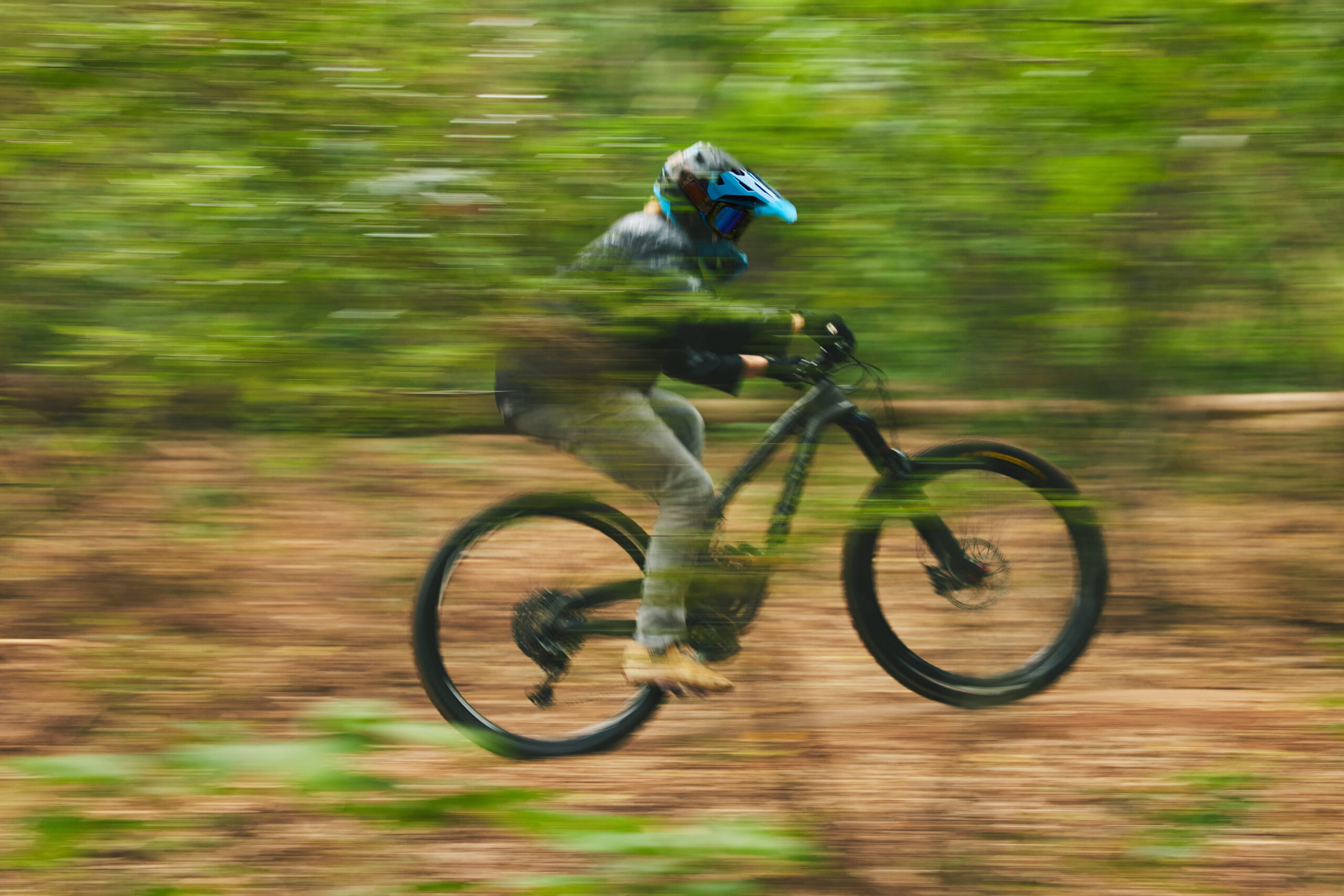
Pedal-assist technology has come a long way over the past decade. Modern motors don’t simply push you along, they respond to how hard you’re pedalling, how fast you’re travelling and, on many systems, even the gradient beneath your wheels.
That’s why two motors with similar power ratings can feel surprisingly different.
Most performance focused electric bikes now use mid-drive motors mounted around the crankset. Positioning the weight low and centrally improves handling, especially on climbs and corners. Hub motors still have their place, particularly on urban and more affordable bikes, while mid-drive systems can offer particularly natural handling and assistance because the motor’s weight is positioned centrally around the crankset.
UK and EU E-Bike Assistance Rules
In the UK, a conventional electrically assisted pedal cycle (EAPC) must have pedals capable of propelling the bike, a motor with a maximum continuous rated power of 250W, and electrical assistance that cuts off at 15.5mph (25km/h). EU rules similarly exempt conventional pedal-assist cycles from type approval where the motor is rated at no more than 250W continuous and assistance cuts off progressively before 25km/h.
The E-Bike Motor Specifications That Actually Matter
Torque
Torque is measured in newton meters (Nm) and describes the rotational force produced by the motor. A higher torque figure can be particularly useful for more demanding terrain but it doesn’t automatically equate to a better motor. How that torque is delivered is just as important.
Power
Another specification you may come across is power, which needs to be interpreted carefully. Peak output and continuous/rated output aren’t always the same thing and the maximum output doesn’t let on how exactly the motor will feel when riding.
For a road legal e-bike, the manufacturer’s headline power figure should not be treated as a simple indication of how fast the bike will go.
Sensors and responsiveness
The sensors influence how quickly the motor system reacts to the rider. Torque sensing can help the motor respond to how hard you are pushing the pedals. While cadence and speed information can be used to determine how much assistance is appropriate.
Motor Weight
Weight tends to matter on specific biking disciplines such as road, gravel and mountain bikes that are geared towards performance. A lighter motor can contribute to a more agile and responsive ride, particularly when combined with a lightweight frame and battery.
Noise
Motor noise may not matter much to commuter riding on busy streets, but it can become noticeable on quiet country roads and trails. Brose has developed a strong reputation for particularly quiet drive units.
Bosch: The Benchmark for Reliability
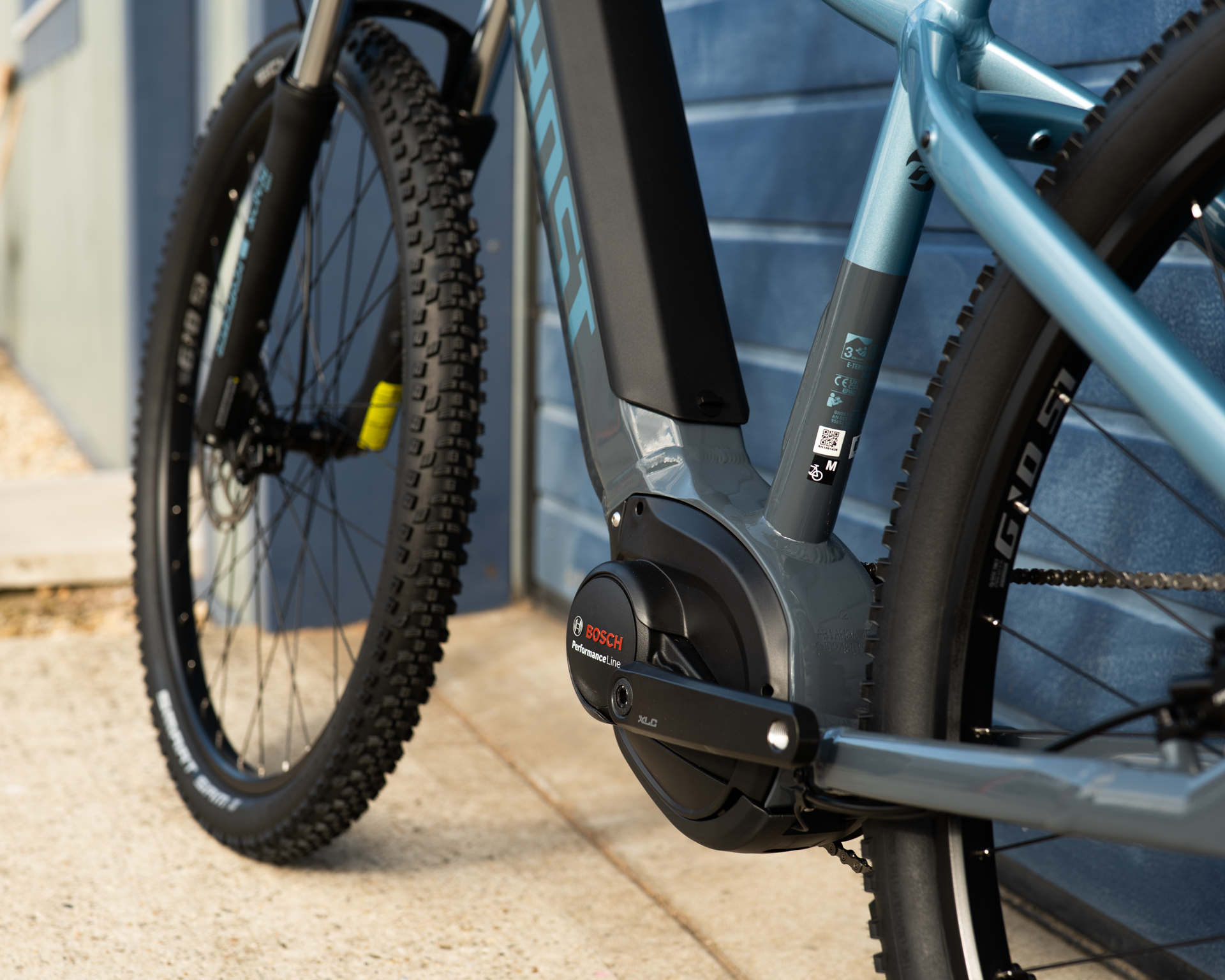
Bosch has built a reputation that few competitors can match. It’s one of the most widely used drive systems, you’ll find Bosch motors fitted to a range of different bikes.
Part of that popularity comes from consistency. The assistance feels refined, power delivery is smooth and software updates continue to improve performance long after you’ve bought the bike.
The Performance Line is aimed at everyday riding and trekking. At the sportier end, the Performance Line CX is Bosch’s flagship e-MTB motor. The current Performance Line CX platform can deliver up to 120Nm of torque, 750W peak power and 600% assistance, depending on the drive-unit generation and configuration. Bosch’s Performance Upgrade 2.0 offers higher configurable figures on compatible systems. Bosch has also focused heavily on sensor technology, using torque, cadence and inertial sensors to make assistance responsive to the rider’s input.
For riders who want a lighter system, the Performance Line SX is a particularly interesting option. It is considerably more compact and lighter than the CX, although its lower torque means it works best with a higher pedalling cadence.
Bosch also produces the Cargo Line, designed around the demands of heavier loads, while Performance Line Speed systems are designed for speed-pedelec applications rather than conventional UK EAPCs.
Bosch also has one of the largest dealer and service networks in the industry, which can make ownership much easier if your bike ever needs diagnostics or servicing.
If your priorities are reliability, long-term support and dependable performance, a Bosch e-bike motor is an excellent place to start.
Shimano: Built for Riders Who Love Cycling
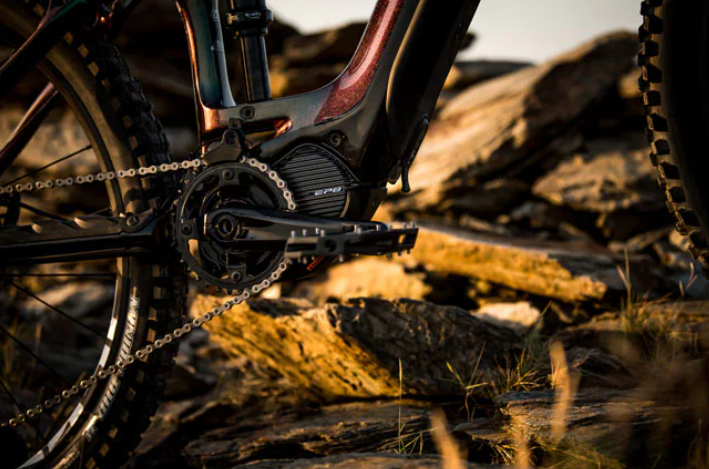
Shimano didn’t need to learn about bicycles before entering the e-bike market. For decades, its components have been found on everything from weekend hybrids to professional race bikes.
That experience shows in the way Shimano motors behave. Instead of overwhelming the rider with power, they work alongside your own effort. The assistance builds naturally, making it easy to forget you’re riding an electric bike at all.
Its EP801 system is the best-known high-performance option. The EP801 produces up to 85Nm of torque, weighs around 2.7kg and is designed to provide quiet, refined assistance with relatively low pedalling drag. Shimano also offers extensive customisation through its E-TUBE system.
For riders looking for many of the same characteristics at a different price and weight point, the EP600 offers the same 85Nm maximum torque as the EP801, although it uses an aluminium housing and weighs approximately 3kg. It also shares Shimano’s connectivity and customisation features.
Shimano’s motor range also extends into road, gravel, trekking and cargo applications, allowing manufacturers to build complete bikes around the STEPS ecosystem rather than treating the motor as a standalone component.
Road cyclists, gravel riders and anyone moving from a conventional bicycle often appreciate this more subtle approach.
Another advantage is integration. Bikes already equipped with Shimano drivetrains usually work seamlessly with Shimano’s STEPS motor system, creating a clean and intuitive riding experience.
Yamaha: Plenty of Power When You Need It
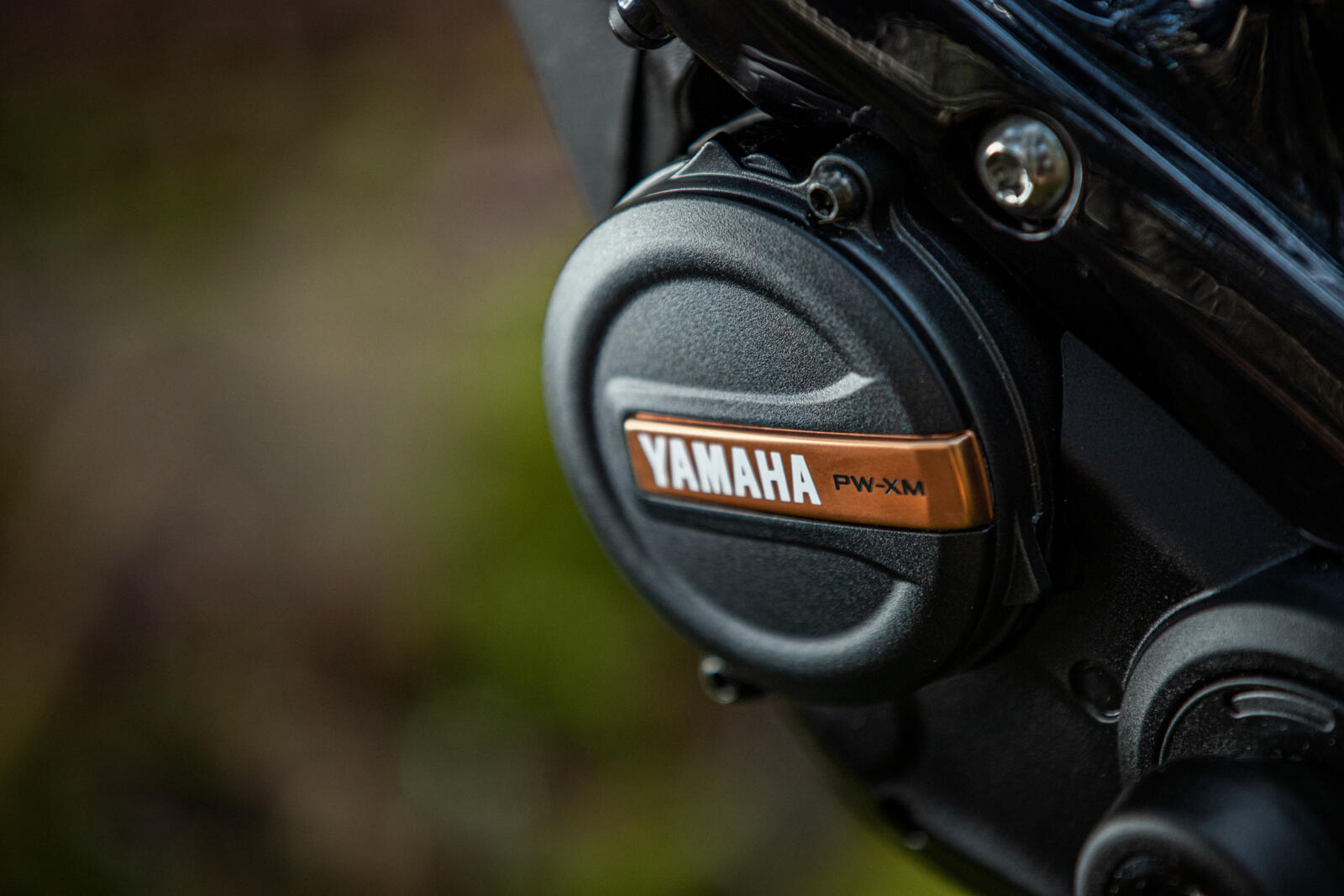
Steep climbs can quickly expose the strengths and weaknesses of an e-bike motor.
Yamaha has earned a loyal following by producing motors with impressive low-speed torque, making them particularly capable when gradients become challenging or the trail turns technical.
The assistance feels immediate without being abrupt. Press harder on the pedals and the motor responds. Yamaha’s latest PW-LINK platform includes the PW-X4 for high-performance e-MTBs and the PW-S3 for versatile trekking and sporty riding. The PW-S3 produces up to 85 Nm while weighing 2.8 kg, while the PW-X4 is Yamaha’s latest high-performance MTB drive unit. It is designed around responsive assistance and strong performance on technical climbs.
The PWseries S2 takes a slightly more versatile approach, producing up to 75Nm while weighing around 2.85kg. It is suitable for a wide range of sporty and trekking applications.
For more relaxed riding, Yamaha’s PWseries TE produces up to 60Nm, while the PWseries CE is aimed more towards everyday urban riding with up to 50Nm.
It’s no surprise that many electric mountain bikes and adventure-focused models continue to rely on Yamaha e-bike motors for their dependable performance.
View Yamaha E-bikes
Avinox: A New High Performance Contender
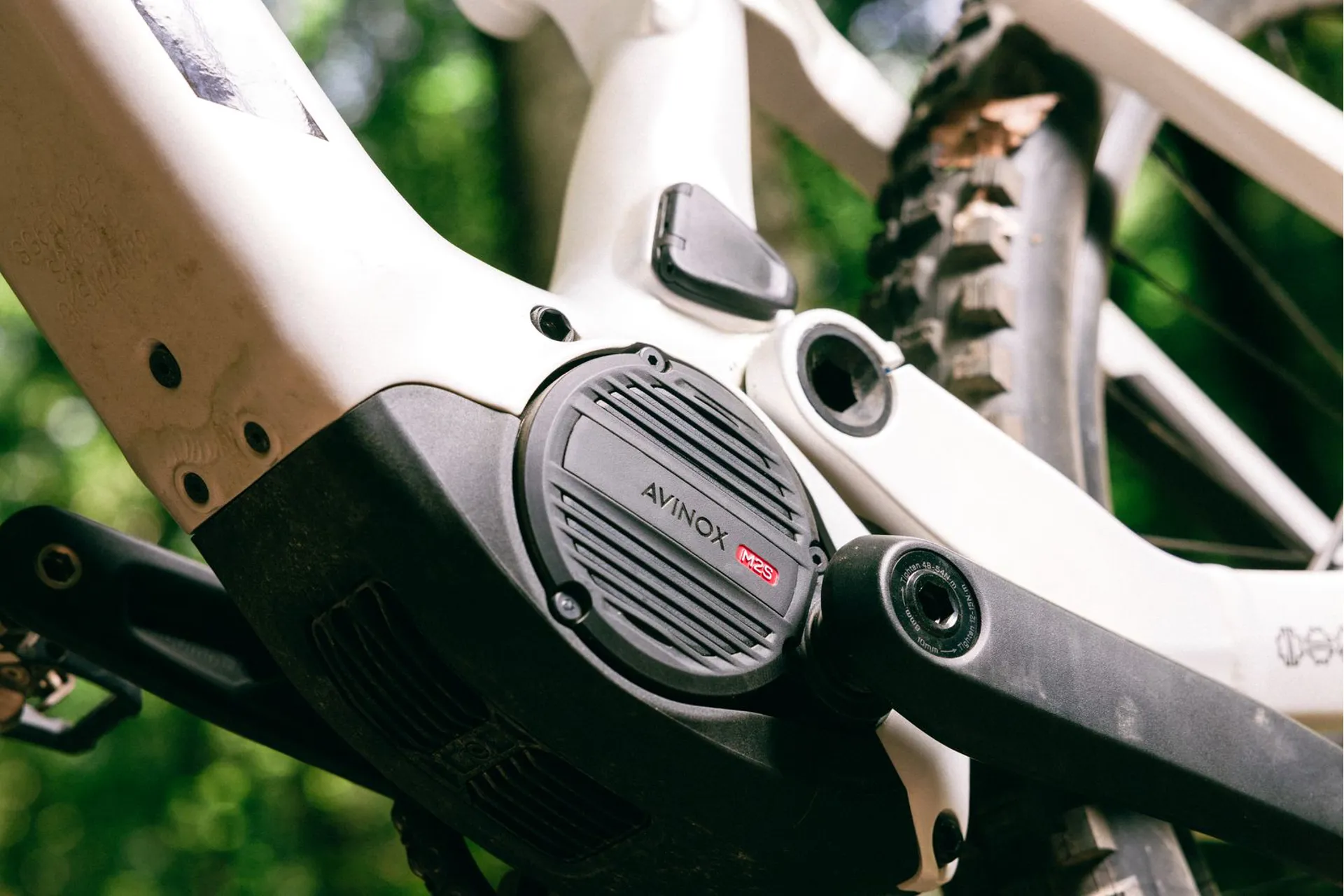
Rather than positioning itself simply as a lower-cost alternative to established manufacturers, Avinox has entered the market at the performance end, focusing on compact, high-output drive units, sophisticated electronics and a highly integrated rider experience.
That approach has attracted attention quickly. Avinox’s latest-generation M2 and M2S systems were launched in 2026 with more than 60 bike-industry partners, including major names such as Canyon, Atherton, Commencal, Mondraker, Pivot, Orbea, Propain and Rotwild.
The numbers are certainly eye-catching. The Avinox M1 produces up to 105Nm in its regular assist modes and 120Nm in Boost, with peak power of up to 1,000W. The motor itself weighs around 2.52kg.
The newer M2 increases this to 110Nm in regular modes, 125Nm in Boost and up to 1,100W peak power, while keeping the drive unit at around 2.65kg.
At the top of the range sits the M2S, which pushes the figures further again: 130Nm in regular assist modes, up to 150Nm in Boost and up to 1,500W peak power under the specified battery conditions. Despite those figures, the drive unit weighs approximately 2.59kg. However, these headline peak-power figures should not be confused with the 250W continuous rated power used for UK EAPC classification.
Avinox is therefore an interesting proposition for riders who want the latest generation of e-bike technology. It is still a much younger name than Bosch, Shimano or Yamaha, but its rapid adoption by established bike manufacturers suggests it is already moving beyond the status of an experimental newcomer.
Browse Avinox-powered e-bikes
Other E-Bike Motor Brands Worth Knowing
Bosch, Shimano and Yamaha dominate plenty of headlines, but they aren’t the only manufacturers producing quality motors.
Brose is particularly well known for developing quiet, smooth-running drive systems, with models such as the Drive S Mag aimed at performance-oriented e-MTB applications. Mahle has become a popular choice for lightweight road and gravel bikes, where keeping the overall weight low is just as important as adding extra power.
Bafang, meanwhile, appears on a huge range of electric bikes around the world. Its motors are especially common on affordable models and DIY conversion kits, making it one of the most recognisable names outside the premium market.
Choosing the Best E-Bike Motor
There’s no universal winner because riders expect different things from their bikes.
Someone cycling five miles to work on mostly flat roads has very different priorities from someone tackling rocky forest trails every weekend.
If your rides involve steep hills, torque becomes far more important than outright speed. For longer leisure rides, smooth assistance and battery efficiency often matter more. Riders covering high annual mileage may also place extra value on dealer support and servicing, where established manufacturers tend to have an advantage.
A test ride is still the best way to judge a motor. Figures on a specification sheet can tell you how much torque a system produces, but they won’t tell you how natural it feels when you pull away from a junction or start climbing a hill.
Which Brand Should You Choose?
Each manufacturer has carved out its own place in the market.
Bosch continues to set the standard for reliability and dealer support. Shimano appeals to cyclists who want assistance that feels almost invisible. Yamaha shines when the route becomes steeper and more demanding, while Avinox is breaking through as an exciting new force in the e-bike market.
Rather than chasing the highest power figure or the biggest brand name, think about where you’ll actually be riding. A motor that suits your daily routes will always be a better investment than one chosen purely because it tops a comparison chart.
The good news is that today’s leading e-bike motor brands all produce capable systems. Once you’ve matched the motor to your riding style, the rest of the bike starts to make much more sense.


