

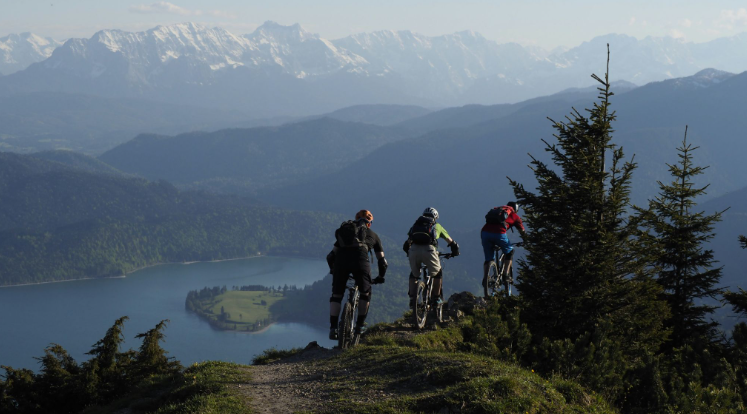
While the right to roam has opened up much of the English countryside to hikers, unfortunately, mountain bikers still don’t enjoy the same freedom. A lack of access to technically challenging and interesting terrain across the country has led as many as 98% of cyclists to resort to ‘illegal’ options.
This isn’t a simple disregard for the rules, which can be difficult to enforce and, at times, unclear for cyclists to interpret. More often, it’s because the alternatives fall short of what riders are actually looking for. With online interest in mountain biking generating more than 140,000 searches for information a month (1) in the UK, its popularity is clear, yet limited access to suitable trails remains a major barrier.
In this article, we’ll explore where access is the most limited, why people go off-piste and what the current rules actually say about where you can and cannot ride.
The reality behind unofficial trails and ‘cheeky riding’
“Illegal mountain biking isn’t driven by bad behaviour, it’s driven by a lack of suitable infrastructure. Riders aren’t actively looking to break rules, they’re looking for progression, challenge and flow. In many parts of the country, that simply doesn’t exist within official trail networks.” Tom Thornley, Paul’s Cycles Managing Director
According to The UK Trails Project, riders want local, connected trails they can access straight from home. Their report found that convenience (19.7%), ride quality (15.8%), scope for progression (10.7%), and variation of trail grades (9.7%) are what riders value most in a good location. In reality, access doesn’t always support this:
- Sites with good beginner and intermediate trails were found lacking in options for riders to progress their skills any further.
- 58% of mountain bikers have to travel by car or van to get to trails.
MBR reports that nearly half of riders are going out of their way to specifically ride off-track, noting that most bridleways do not have the same thrill, and those that do are typically in very remote areas.
Different types of ‘illegal’ riding
James Allsopp, founder of Peak and Moor Mountain Bike Guiding, helps explain the difference between different types of unauthorised riding:
- Natural trails and public rights of way
This is when mountain bikers use natural trails, public footpaths, and open access land. Natural trails are raw, remote and offer a totally different experience to trail centres. They also demand a high level of self-reliance and navigation skills.
The issue here is access, as restrictions faced by cyclists often mean that they are not meant to be using them. The national average for legally accessible mountain bike trails is around 22%, and in the Peak District, that drops to just 11%. This restriction makes linking up routes difficult, leading to the temptation to ride unauthorised footpaths to bridge the gaps.
- Purpose-built unsanctioned trails
These are the hidden or “off-network” routes. They are man-made trails, not just a standard route or path a cyclist has happened to follow or is using to connect up a route. Unlike trail centres, which act like ski resorts (offering maintained, graded and predictable trails), these offer uncertainty and technical challenges that many advanced riders seek out.
Issues with going off-track
- The UKTP report found environmental damage, safety concerns and rider behaviour to be the three highest concerns of land managers.
- Studies in the U.S found that hiking actually caused more severe trail degradation than mountain biking.
- Other UK research suggests that management of trails is key to avoid such environmental impact – something that’s missing where access is limited and riders end up going off track.
East Suffolk Council warned mountain bikers not to cycle in Felixstowe’s Grove Woodland, citing safety and environmental concerns. They suggested cyclists walk with their bikes through the woodland and make use of designated tracks instead. The nearest official mountain bike facility appears to be Twisted Oaks Bike Park, which is over seven miles away.
There have also been reports of motorbikes being used on trails, which have been evidenced to cause significant destruction and surface damage. This is a separate issue and shouldn’t be confused with electric mountain bikes (eMTBs). These aren’t classed as motorised vehicles, provided the bike complies with UK laws and regulations that limit motor power and maximum speed.
Damage was identified in Staffordshire woodlands after the creation of illegal bike tracks; however, the report highlights suspected activity involving quad bikes and motorbikes. This could lead to an unfairly negative perception of cyclists, particularly as there are nearby mountain bike trails that cyclists are likely using.
What is ‘cheeky riding’?
‘Cheeky riding’ is a term often used to describe mountain biking off-track (or in areas where riding isn’t permitted), where cyclists try to ride responsibly while minimising environmental impact and disruption to others.
A Cheeky Trails website recommends abiding by certain ethics, such as riding after 6 pm, not racing and ensuring at least half of your total ride is ridden legally. It advises applying restraint to sensitive areas such as national parks and reconsidering the value of the trail if you encounter walkers.
Peak District MTB, a group aiming to improve, preserve and promote access interests for mountain bikers in the area, says that, though it encourages the use of routes with official access rights, it does not oppose cheeky riding in principle (where user conflicts, environmental sensitivities or other issues are not apparent).
“As a professional, I don’t promote or condone riding unsanctioned trails, but I do offer guidance. The current rights-of-way system is archaic and broken as exclusion is often based on historical usage rather than modern suitability.
In the Peak District, we see many suitable, sustainable natural trails that are illegal to ride, while some legal trails are often eroded or overcrowded. We need a system that spreads this impact more fairly.”
James Allsopp, founder of Peak and Moor Mountain Bike Guiding
Regional gaps in mountain bike infrastructure
With the reasons that many riders go off-piste due to access to challenging and ‘thrilling’ routes, we wanted to see where in England this access is most limited.
To do so, we analysed AllTrails data to find out which regions have the fewest challenging rides (2). We identified Tyne and Wear as having the biggest access problem, followed by Herefordshire, Bedfordshire and Rutland.
Just 3.4% of England’s challenging mountain bike trails are found across the 12 lowest-ranking counties, despite these counties covering 18.8% of England’s land area, highlighting a major accessibility gap. In comparison, the ten counties at the top of our ranking only have a 9% difference in land area but contain over 60% of trails.
Tom explains the impact this could have, “When you have entire regions with little to no technically demanding trails, riders are left with two choices: travel long distances or make use of what’s available locally.
“Naturally, that leads to the creation and use of unofficial trails. If we want to reduce off-route riding, the solution isn’t enforcement, it’s investment. Build better, more progressive trail systems locally, and riders will use them.”
The counties with the fewest challenging mountain bike trails
County | Region | Share of England’s challenging trails (%) |
|---|---|---|
Tyne and Wear | North East | 0.0% |
Herefordshire | West Midlands | 0.1% |
Bedfordshire | East of England | 0.1% |
Rutland | East Midlands | 0.1% |
Cambridgeshire | East of England | 0.2% |
Bristol | South West | 0.2% |
Norfolk | East of England | 0.3% |
Northamptonshire | East Midlands | 0.3% |
Warwickshire | West Midlands | 0.4% |
Worcestershire | West Midlands | 0.6% |
Merseyside | North West | 0.6% |
Isle of Wight | South East | 0.6% |
12 counties are included as Worcestershire, Merseyside and the Isle of Wight are tied.
With so many counties combined having such a small percentage of the country’s routes, this supports earlier findings that many riders have to travel a fair distance to find a good mountain bike trail.
Ranking access by region
Region | Share of England’s challenging trails (%) |
North West | 24.4% |
South East | 21.4% |
Yorkshire and the Humber | 15.5% |
East Midlands | 13.9% |
South West | 11.6% |
West Midlands | 4.6% |
North East | 4.2% |
East of England | 3.7% |
London | 0.9% |
Tom adds, “If the current gaps in trail provision remain, we’ll continue to see an increase in unofficial trail use, particularly in regions already underserved.”
Family-friendly riding
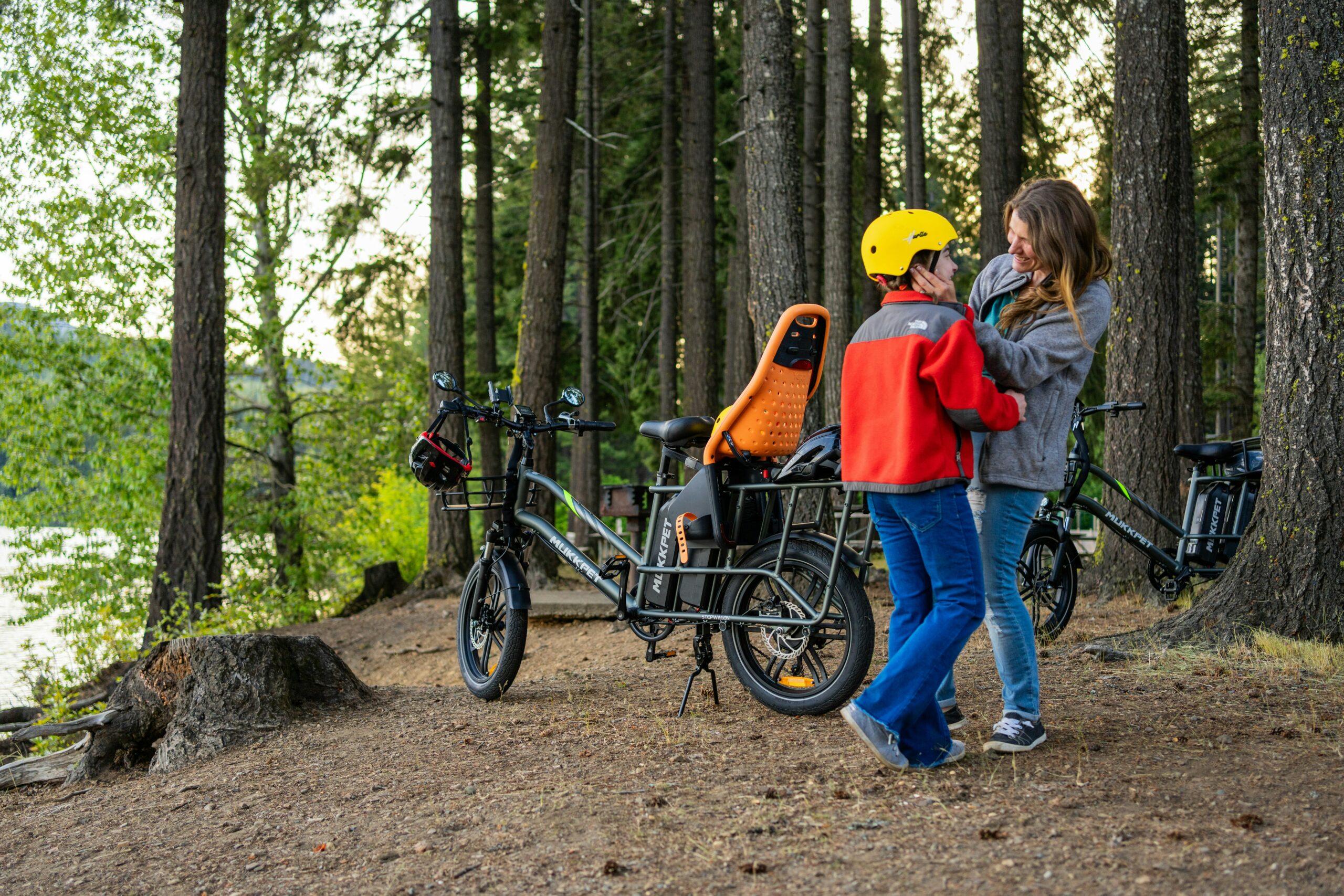
We also had a look at trails reported as being ‘family friendly’ (3), exploring the areas best and worst for the whole family to enjoy. While the UKTP report identified challenging routes as a key barrier, it also pointed out that areas which are renowned for mountain biking often had no easier provisions to improve access for newcomers and people with younger riders.
- The counties with the fewest family-friendly trail options are Rutland (with 0.1% of England’s share), Herefordshire (0.3%) and East Riding of Yorkshire (0.5%).
- Hampshire (7.8%), London (5.9%) and Surrey (4.9%) have the most family-friendly trails.
- At a regional level, the North East has the fewest family-friendly options overall (4% of the country), followed by London (5.9%) and the West Midlands (7.7%).
- The South East has the most, a huge 28.4% of the country’s total family-friendly trails.
“Mountain biking can be a great family day out, with many beginner-friendly routes making it a safe, fun and affordable way to get outdoors, stay active and spend time together”, says Tom.
He adds, “With the right bikes and helmets, it is an easy way for families to build confidence and enjoy riding together.”
Regional difficulty comparison
Eight of the counties we named as having the fewest challenging trails also have the fewest family-friendly trails, highlighting a significant access gap in certain regions. Other insights include:
- Five of the counties with the most challenging routes also have the most family-friendly trails.
- Tyne and Wear doesn’t have any reported challenging routes, but it does have 21 family-friendly options.
- Cumbria, the county with the most challenging trails (17.1% of England’s share), only has 2.1% of England’s family-friendly options.
The laws around mountain bike riding in England
Rights of way and the right to roam
There are a lot of limitations in place for cyclists, and signage can sometimes be confusing, making it essential to plan and research in advance of your journey.
Public access rights allow people to use certain land for walking and other leisure activities. However, cyclists face several limitations and only have access to around 22% of the Rights of Way network in England. This is restricted to:
- Bridleways
- Byways and restricted byways
England’s right to roam also gives members of the public access to some open areas across the country, such as common land registered with the local council and privately owned mountains, moors, heaths and downs. You can use this ‘access land’ for walking, running, watching wildlife and climbing, but restrictions mean you cannot currently use it for mountain biking or general cycling.
While uncommon, there are a few exceptions that allow mountain bikers to use access land:
- If the landowner specifically allows it
- If public bridleways or byways cross the land
- If there are local traditions, or rights, of access
Forestry England, for example, promotes mountain biking across its authorised routes and provides approximately 2,500 km of official cycling trails. It does not permit mountain biking on unauthorised routes but does encourage volunteers to participate in the official development of new trails.
James says, “We do see a large population of MTBs who don’t understand the rights of way and we try and build an element of education into days out with clients.”
Restrictions can be difficult to enforce, and the consequences of being caught will depend on the circumstances. Typically, it will be classed as a civil trespass, which could mean being asked to leave or being sued for damages. It can become a criminal offence where other bylaws apply, but Cycling UK notes that they have “yet to meet anyone who has been convicted of such”.
The laws can change and it’s important to keep up to date with the latest information as a cyclist.
Efforts to improve mountain biking access
The limitations faced by mountain bikers and other cyclists have led to campaigns to improve access and extend the right to roam. The British Mountaineering Council found that 84% of people would support mountain biking included as a right under improved right to roam access, alongside activities such as camping and outdoor swimming. The majority of respondents to the survey also wanted to see access extended to woodland, watersides and grassland.
The UK MTB Trail Alliance has outlined specific actions from the government that would help improve access for mountain bikers:
- Establish statutory rights to responsible access across a broader range of landscapes, including woodlands
- Extend statutory access rights for a broader range of recreational activities, including mountain biking
- Reduce landowners’ concerns about mountain biking by removing any liability associated with physical features on their land
The group also contributed to the UK Trails Project report mentioned earlier in this article. The outcome of the report provided recommendations for an improved mountain biking network supported by trail users and land owners. It suggests this should:
- Be designed and constructed in harmony with the landscape and environment.
- Offer a range of trail-grade choices with opportunities to progress a rider’s skills.
- Integrate and engage with the local community.
- Meet the needs of local riders and/or the intended visitor group.
- Have good supporting infrastructure and connectivity.
- Have a planned resilient maintenance model.
- Be able to evolve to meet future needs. Although it is easiest to start designing a new trail network, existing networks can be assessed and improved.
James adds to the benefits of this approach, “I don’t think we need more trail centres; we need more access. We must make a compelling case for landowners to embrace mountain bikers, encourage responsible access, and see the benefits.
“The Tweed Valley model is the perfect blueprint for this, and the rewards—economic, social, and physical—are clear.”
The best places to ride right now
Based on our research, Cumbria has access to the highest volume of challenging mountain bike routes in England, with a 17.1% share. Also ranking highly are Derbyshire (10%) and North Yorkshire (9.5%).
The top ten counties are:
County | Region | Share of England’s challenging trails (%) |
Cumbria | North West | 17.1% |
Derbyshire | East Midlands | 10.0% |
North Yorkshire | Yorkshire and the Humber | 9.5% |
West Sussex | South East | 5.2% |
East Sussex | South East | 4.0% |
Surrey | South East | 4.0% |
West Yorkshire | Yorkshire and the Humber | 3.3% |
Hampshire | South East | 3.2% |
Northumberland | North East | 3.1% |
Lancashire | North West | 3.1% |
Over half of all challenging routes are found in three regions – the North West (24.4%), the South East (21.4%) and Yorkshire and the Humber (15.5%).
Route recommendations
Our guide to car-free adventures covers some great route ideas across England and the rest of the UK such as Faringdon Folly and Rendlesham Forest UFO Trail.
We asked James for his recommendation, which he says is a loop rather than a set trail. If you’re an experienced rider, try following it next time you’re in the Peak District:
- Aston Bridleway to Hope Cross
- The Beast
- The new access path to Rowleys Farm (thanks to Peak District MTB)
- Hagg Farm descent back up Elmin Pitts (thanks to Peak District MTB)
- Back down Aston Bridleway
He adds, “This, or elements of this, regularly feature in our guided rides. As you can see by my reference, the great work of Peak District MTB has made this loop much more practical by two link trails with the help of the landowners.”
New places to mountain bike
Thanks to many of the efforts to improve mountain biking access, there has already been some progress, including:
- Whippy Trails: Whippendell Wood in Watford has long been used by mountain bikers unofficially, but illegal tracks were removed in 2021. The new project by Watford Borough Council allows mountain bikers access to official routes, which they say will “provide a unique and challenging experience for riders”.
- Kielder Forest: To improve mountain biking access in the woodland, a new route at Deadwater Fell was introduced in 2025 alongside upgrades to an existing trail. There are now over 100 miles of trails to explore!
Final thoughts
“This isn’t about pointing the finger at cyclists, it’s about recognising a mismatch between demand and availability. Where there’s no access to progression-friendly riding, people will create it themselves.
“The knock-on effect is friction with landowners and potential environmental damage, which ultimately harms the reputation of the sport. But the root cause is still access. Address that, and the wider issues begin to resolve themselves.”
Tom Thornley, Paul’s Cycles Managing Director
If you’re looking to start or progress your mountain biking, having the right setup makes all the difference. Learn more in our guide to choosing a mountain bike or take a look at some of our different mountain bike options to find the right fit for you.
Research and references
All content is correct and accurate as of the time of publication.
(1) There were 142,000 searches in the UK between May and June 2026 falling under the topic of ‘mountain biking’ (Google Trends)
(2) Each county in England was searched on AllTrails, with filters applied to include only routes listed as suitable for mountain biking and classified as “hard” or “strenuous”. The number of listed trails meeting these criteria was then recorded for each county.
(3) Each county in England was searched on AllTrails, with filters applied to include only routes listed as suitable for mountain biking and as suitable for children. The number of listed trails meeting these criteria was then recorded for each county.
About the experts
Thank you to James Allsopp for your contribution to this article.
James Allsopp
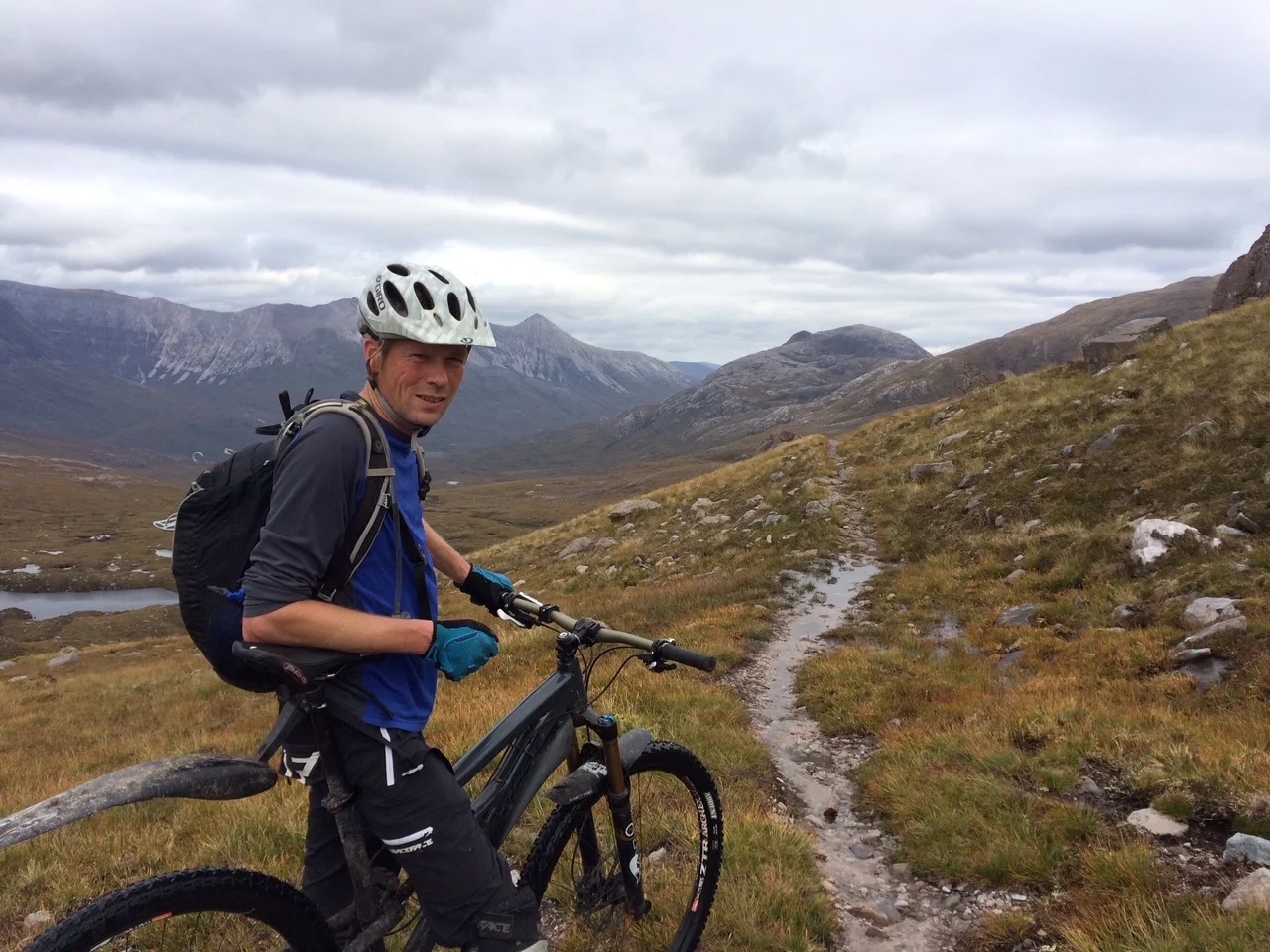
James Allsopp is a British Cycling Level 3 MBLA qualified guide (the highest UK MTB qualification) and runs Peak and Moor Mountain Bike Guiding to deliver a bespoke mountain bike guiding service for individuals and groups in the Peak District, Cannock Chase and Shropshire (Long Mynd), and further afield upon request. You can also find Peak & Moor MTB on Facebook.
Tom Thornley
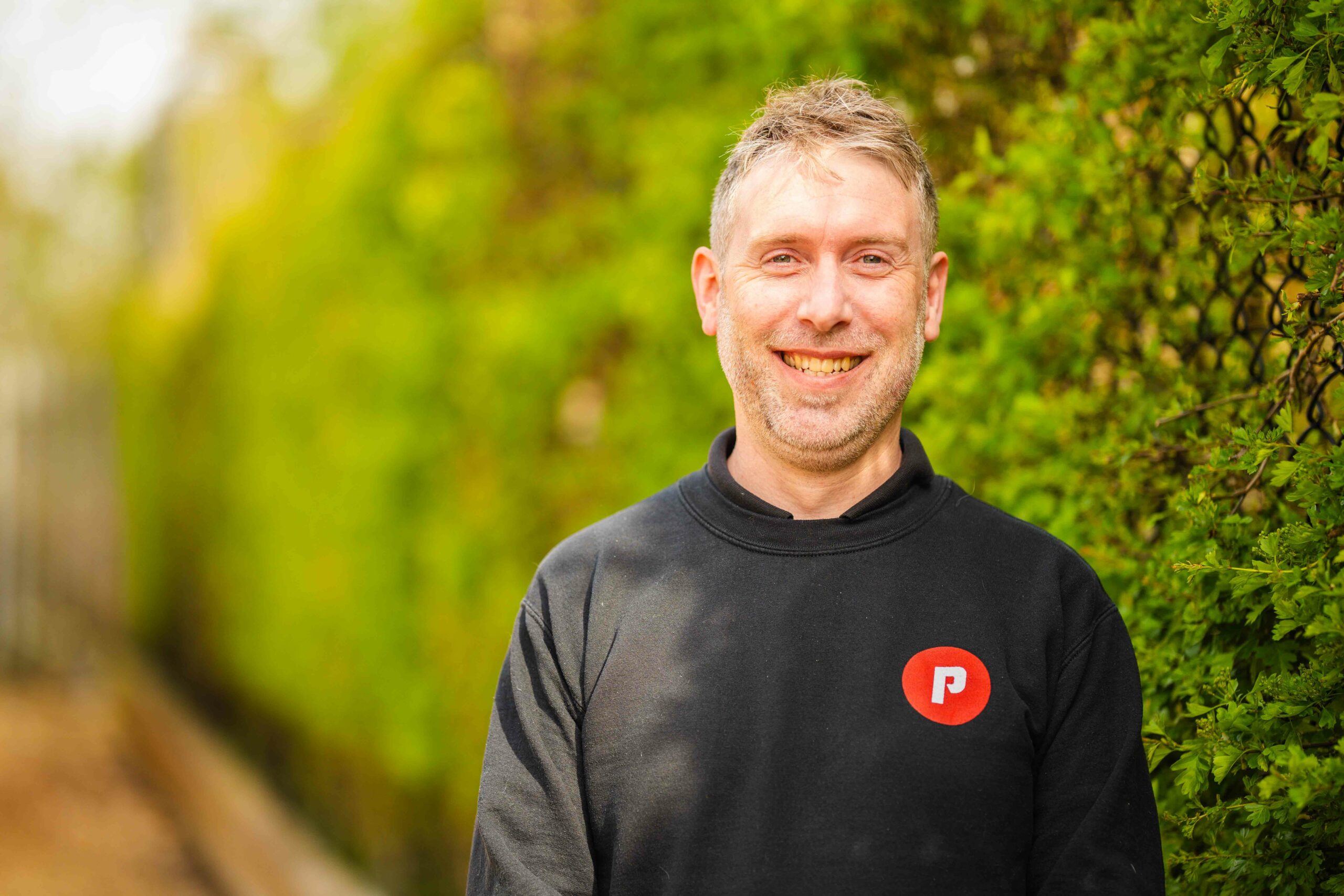
Tom Thornley is a dynamic business leader and Non-Executive Director with an extensive commercial background. As Managing Director of Pauls Cycles, he has led the company through a period of significant growth and investment over recent years. With expertise in business analysis, team building, operations, finance, e-commerce, marketing, and governance, Tom specialises in managing people, business planning, and scaling businesses across multiple sectors


