Electric Bikes Explained: What You’re Actually Paying For
Electric bikes are everywhere, and the prices are all over the place. You can spend a few hundred pounds in a supermarket or several thousand at a specialist, and from the outside they can look surprisingly similar. So what is the difference, and what are you actually paying for?
This guide breaks it down in plain English. We will explain how e-bikes work, what separates a cheap one from a good one, and how to match the right bike to the way you ride. By the end you will know exactly what your money buys and where to spend it.
How an electric bike actually works
An e-bike is a normal bike with three extra parts: a motor, a battery and a sensor that decides when to help. You still pedal. The motor simply tops up your effort, so hills flatten out, headwinds ease off and longer rides feel shorter.
Crucially, the motor assists, it does not take over. UK e-bikes cut their assistance at 15.5 mph, so the electric help is there to make pedalling easier, not to turn the bike into a moped. More on the law further down.
Three things drive the price and the experience: the motor, the battery and the quality of the bike they are bolted to. Get those right and everything else follows.
The motor: the biggest thing you are paying for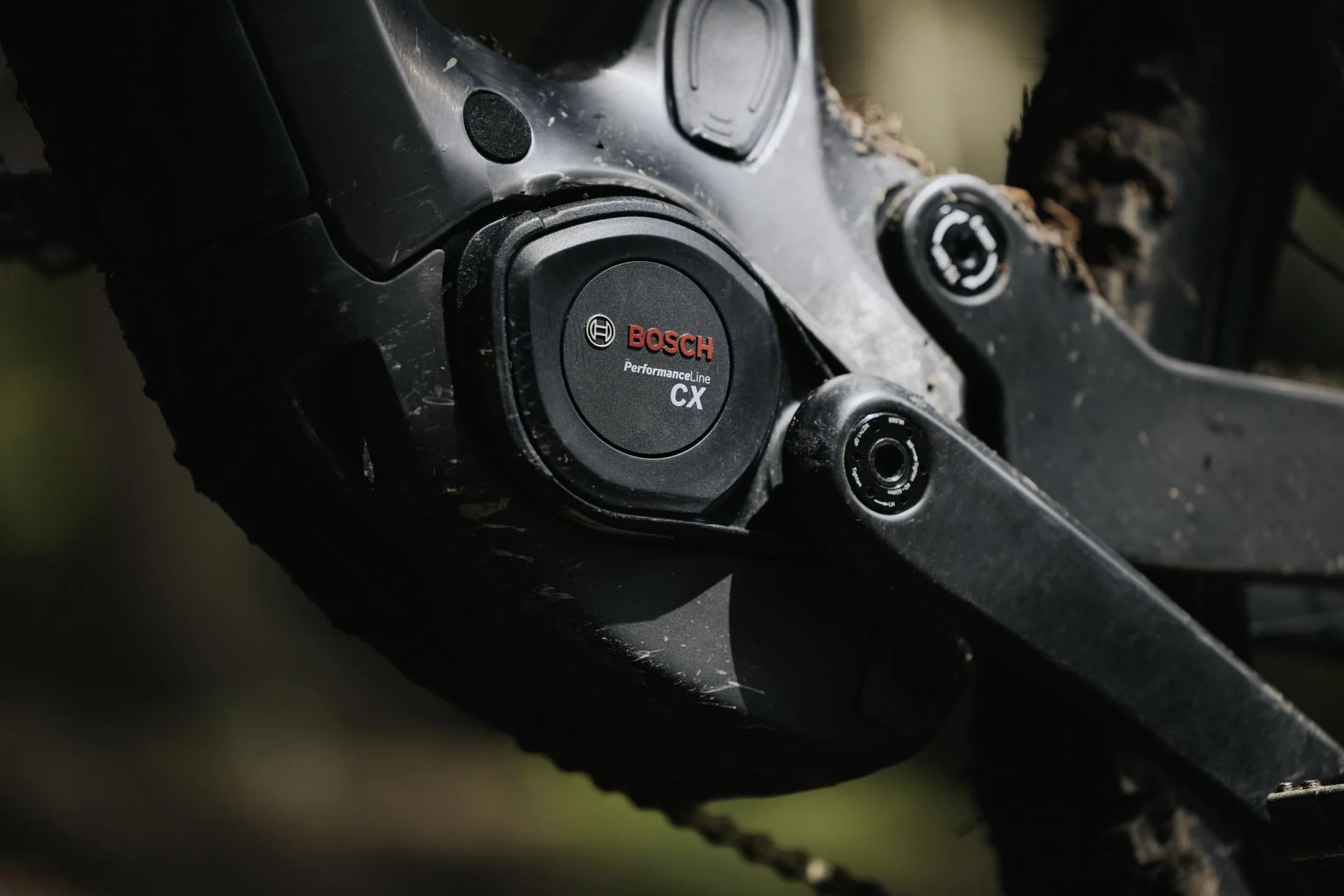
The motor is where cheap and good e-bikes separate most clearly. There are two main types.
Hub motors sit in the centre of the front or rear wheel. They are simpler and cheaper, which is why most budget e-bikes use them. They work fine on flat commutes, but they push the bike along rather than working with your pedaling, so they can feel less natural and struggle on steep hills.
Mid-drive motors sit at the cranks, where the pedals are. They drive through the bike’s gears, which makes them far better on hills, more efficient, better balanced and much more natural to ride. This is what you are paying extra for on a quality e-bike, and it is usually worth it.
Motor brand matters too. Names like Bosch and Shimano dominate the quality end for good reason: they are reliable, well supported and properly backed for spares and servicing. Cheaper bikes often use lesser-known or unbranded motors, which can be fine on paper but harder to get fixed when something goes wrong.
Torque is the number to watch, measured in newton metres (Nm). It tells you how much pulling power the motor has. Lightweight road and city e-bikes might offer around 40 to 50 Nm, which is plenty for flatter riding. For steep hills, heavier loads or off-road, look for 75 to 85 Nm.
The battery: how far you can actually go
Battery capacity is measured in watt-hours (Wh). The bigger the number, the more energy on board and the further you can ride. Most e-bikes sit somewhere between 250 Wh and 750 Wh.
Range is the question everyone asks, and the honest answer is “it depends”. A typical battery might take you anywhere from 25 to 70 miles on a charge. What moves that number includes:
- The hills (climbing drains the battery fastest)
- How much assistance you use (eco mode goes much further than full power)
- Your weight plus any luggage or cargo
- The wind, the temperature and your tyre pressure
- How hard you pedal yourself
Two other things worth checking. First, whether the battery is removable, which makes charging easier if you cannot get the whole bike to a socket. Second, the replacement cost, because a battery is a wear part and a quality one from a known brand will last longer and be easier to replace down the line.
Do not forget the rest of the bike
Here is the trap with cheap e-bikes: a budget motor and battery are often bolted to a budget bike. The frame, gears, brakes and wheels still matter, and arguably matter more on an e-bike because it is heavier and faster than a normal bike.
Good brakes that can stop that extra weight, reliable gears and a well-built frame are a big part of what you pay for on a quality e-bike. A cheap e-bike is still a cheap bike, just with a motor on it.
E-bike price tiers: what you get for your money
Prices change, but as a rough UK guide:
Budget (under £1,500). Usually hub motors, smaller batteries and basic components, often with limited dealer support. Can work for short, flat commutes, but check the build quality and who fixes it if it breaks.
Mid-range (£1,500 to £3,500). The sweet spot for most riders. Expect a reputable mid-drive motor, a decent battery, and better brakes, gears and frame. This is where e-bikes start to feel genuinely good to ride.
Premium (£3,500 and up). Top motors, the biggest batteries, lighter frames, full cable integration and high-end components. Aimed at performance riders, serious mileage and demanding off-road use.
The pattern is simple. Spend too little and you pay for it in reliability, support and how the bike feels. The mid-range is where the value is for most people.
Matching the e-bike to how you ride
The best e-bike is the one built for your kind of riding. Here is how the main types break down.
Commuting and everyday riding. A hybrid electric bike is the go-to. Upright, comfortable, easy to live with, and usually ready for racks, mudguards and lights so you can carry kit and ride in any weather.
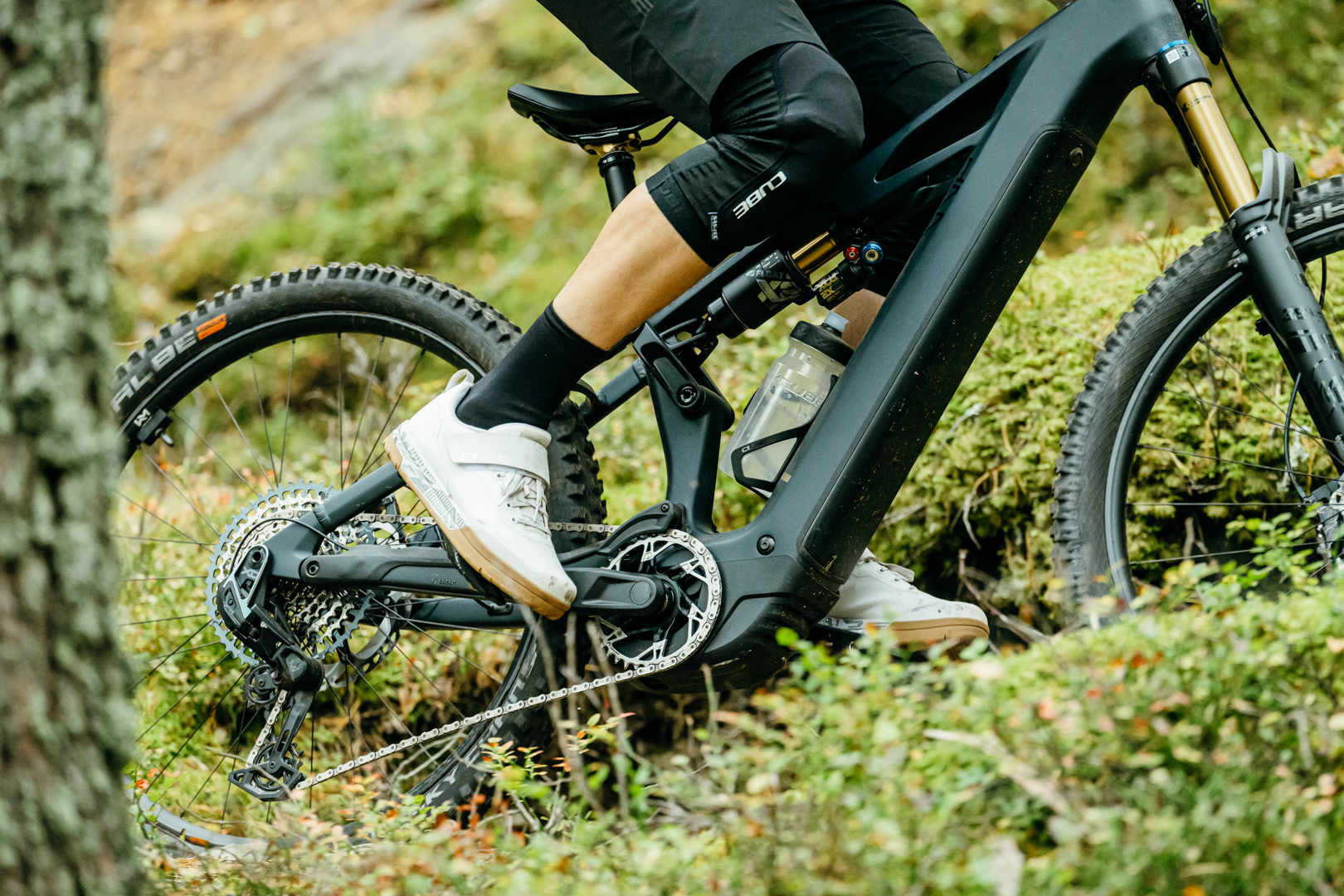
Trails and off-road. An electric mountain bike adds power to climbs and lets you ride further and longer. Hardtails suit lighter trail use, full suspension handles rougher, more technical ground.
Mixed surfaces and adventure. An electric gravel bike covers road, gravel, towpaths and the commute in one, with the range to go exploring.
Touring and long distances. An electric trekking bike prioritises comfort, big range and full equipment for loaded rides and longer days.
If you are not sure which fits, talk to the Paul’s Cycles team and we will steer you right.
UK electric bike law in plain English
In the UK, a road-legal e-bike is called an EAPC (Electrically Assisted Pedal Cycle). If it meets the rules, it is treated exactly like a normal bike: no license, no tax, no registration and no insurance required.
To qualify, the bike must:
- Have a motor rated at no more than 250 watts of continuous power
- Stop assisting once you reach 15.5 mph (you can pedal faster, the motor just stops helping)
- Have working pedals
- Be ridden by someone aged 14 or over
Most quality e-bikes, including everything we sell, are built to these rules as standard. A quick note on throttles: a walk-assist throttle up to a slow speed is fine, but a full twist-and-go throttle that works without pedalling needs special approval and is the exception, not the norm.
The government looked at raising the power limit to 500 watts and loosening throttle rules, but dropped the idea in 2025. The 250 watt and 15.5 mph limits remain the law.
Which electric bike should I buy?
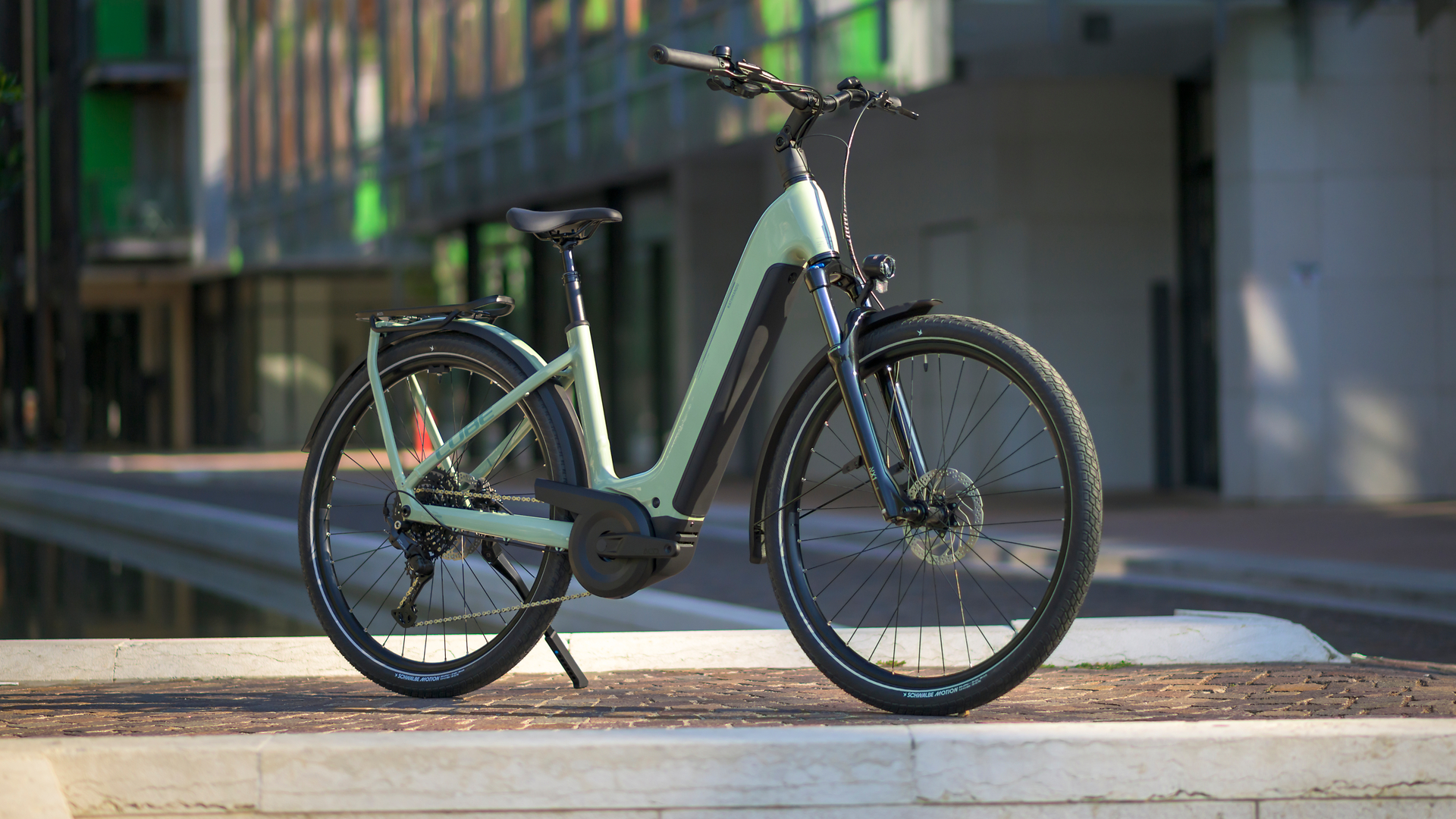
Quick version. Match your main use to the bike:
- Commuting, errands, leisure: an electric hybrid bike
- Trails and off-road: an electric mountain bike
- A bit of everything: an electric gravel bike
- Long, comfortable, loaded rides: an electric trekking bike
On budget: if you can, aim for the mid-range. That is where you get a proper mid-drive motor and components that last, which is what makes an e-bike genuinely enjoyable rather than just functional.
Still weighing it up? Browse all electric bikes at Paul’s Cycles or get in touch and we will help you choose the right one for your riding and budget.
Electric bike FAQs
How do I choose an electric bike?
Start with how you ride. Pick the type that suits your main use (hybrid for commuting, mountain for trails, gravel for mixed surfaces, trekking for touring), then look at the motor and battery. A quality mid-drive motor and a battery sized for your typical ride length are what matter most.
How long does an e-bike battery last on one charge?
Most deliver somewhere between 25 and 70 miles, depending on the hills, your weight, how much assistance you use and the conditions. Bigger batteries (higher Wh) go further. Over its lifetime, a quality battery will keep good capacity for years before it needs replacing.
What is the difference between a hub motor and a mid-drive motor?
A hub motor sits in the wheel, is cheaper and is fine on flat ground but less capable on hills. A mid-drive motor sits at the pedals, drives through the gears, climbs far better and feels more natural. Mid-drive is the better choice for most riders and is a key reason quality e-bikes cost more.
Do I need a licence or insurance for an electric bike in the UK?
No. If the bike meets EAPC rules (250 watt motor, assistance cutting off at 15.5 mph, working pedals, rider aged 14 or over), it is treated like a normal bicycle. Insurance is not required, though it is worth considering given the value of the bike.
Are cheap electric bikes worth it?
They can work for short, flat journeys, but you usually pay for the low price in basic components, weaker hill performance and limited support if something goes wrong. For most people the mid-range offers far better value over the life of the bike.
Can I ride an e-bike on cycle paths?
Yes. An EAPC-compliant e-bike is treated as a normal bike, so you can ride it anywhere a standard bicycle is allowed, including cycle paths.


