Choosing the right bike can feel like a daunting task especially if you are new to cycling, from sizing, to different types and everything in between, it’s easy to get caught up in the details.
This beginner’s guide breaks everything down, helping you choose the right bike for your needs, whether you are commuting, riding for fitness, or exploring off-road trails. Choosing the correct bike is a key first step, as highlighted in cycling advice from Cycling UK.
Understanding different bike types
Before buying a bike, think about how and where you plan to ride. Your main use will determine the best type of bike for you. Will it be for a daily commute, weekend trail rides, or a mix of both?
Most riders fall into one of these categories:
- Daily commuting
- Fitness or competitive cycling
- Off-road or trail riding
- A mix of road and light off-road use
Common bike types include mountain bikes, road bikes, hybrid bikes, e-bikes, and gravel bikes.
Road Bikes

Road bikes are built for speed and efficiency on paved surfaces. They are lightweight, with thin tyres and drop handlebars and a distinctive aerodynamic riding position.
They are best suited for:
- Road cycling
- Long distance rides
- Road racing and competitive events
- Commuting
If your priority is speed and distance, a road bike is a strong option.
Mountain Bikes

Mountain bikes are a popular choice if you are seeking a bike designed to handle uneven terrain.
They are best for:
- Trail riding
- Woodland paths and hills
- Technical off road terrain
If you want to explore the different types of mountain bikes in more detail, take a look at our comprehensive mountain bike guide.
Hybrid Bikes
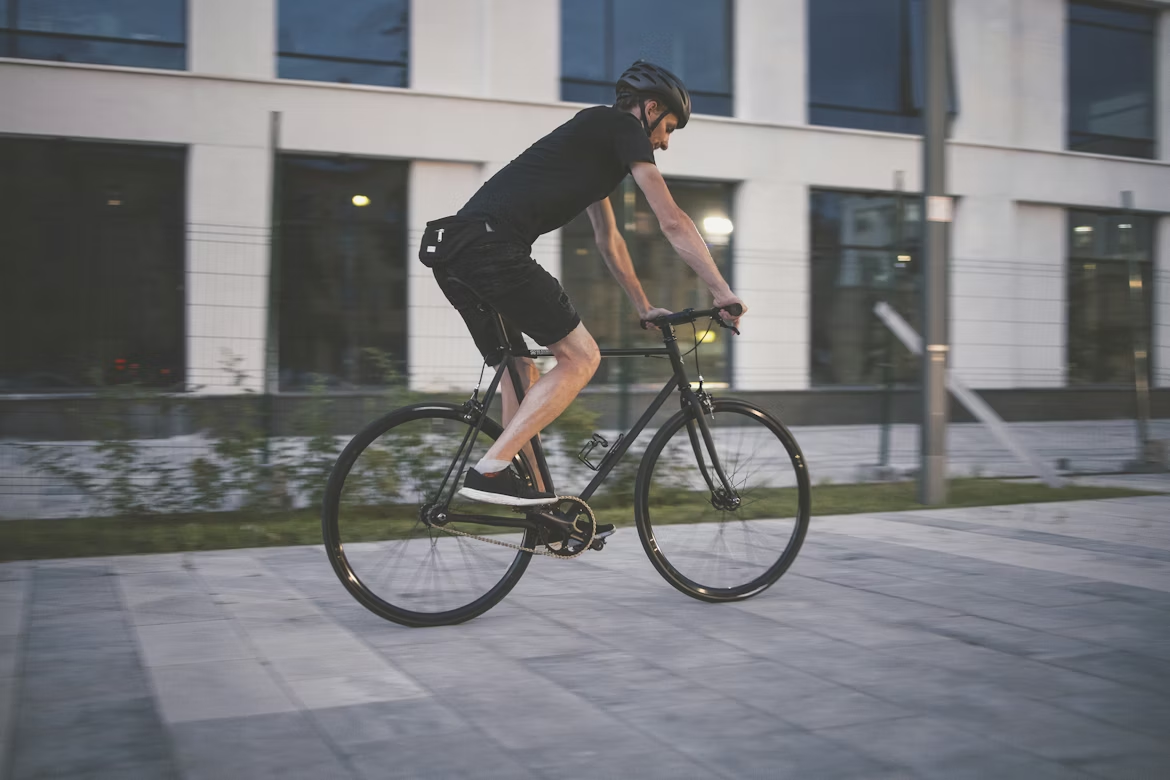
Hybrid bikes have features from both road and mountain bikes, making them a popular versatile choice for beginners.
They offer:
- A comfortable upright riding position
- Medium width tyres
- A balance of speed and stability
They are refined for everyday urban use making them the perfect choice for a commuter bike.
E-Bikes

As ranges continue to grow there are many E-Bike options to choose from, each designed to suit different riding needs, terrains and lifestyles. Featuring the extra assistance of an electric motor and battery, they offer an added boost to your journey. Understanding the key types can help you choose the right model for where you want to ride.
Electric Mountain Bikes (eMTBs) are designed for:
- Steep hills and rough terrains
- Providing enhanced control with added suspension systems
They feature powerful motors, which provide the extra capability on climbs meaning you can extend your ride distance without the excessive fatigue.
They use an electric motor to assist your pedalling, this can be particularly helpful on steeper climbs.
Hybrid E-Bikes are great for:
- Mixed terrain
- Fitness riding with assistance
They are a notable all-rounder option, blending road and light-off road ability.
Gravel Bikes

Gravel bikes can handle a variety of terrains, with wider tyres they offer stability through gravelled routes but still roll smoothly on the roads.
They are suitable for:
- Gravel paths and dirt roads
- Long-distance adventure riding
- Mixed terrain cycling
Whilst they sound similar to hybrid bikes, gravel bikes are built for more demanding off-road performance, making them a better choice for riders who want more adventure capability.
How do I know what size is right for me?
Before buying a new bike, it is important to determine the right size. Choosing the correct size ensures a comfortable ride, reduces strain on your knees, back, and shoulders, and lowers the risk of injury. Always check a detailed bike sizing guide to ensure the correct frame size for your height.
Understanding the key features
Hardtail vs Full Suspension
If a mountain bike sounds more suited to your needs, you will need to give thought to the suspension system, which falls into two categories: Hardtail and Full Suspension.
A hardtail has the suspension fork at the front, but offers no suspension at the back, it generally offers a more efficient ride and is usually the more affordable option out of the two.
A full suspension mountain bike has both front and rear suspension fork, allowing the bike to absorb impacts on rough terrain at both ends. The added suspension helps with the more challenging rides you may come across if bigger climbs and descents are your thing. The added suspension however is a more costly option.
Frame Material
The frame material plays a key role in a bike’s weight, comfort, performance, and overall cost.
- Aluminium is the most common choice for beginners, it offers a balance of low weight, durability, and affordability, making it the budget friendly option.
- Carbon fibre is lighter, and absorbs vibration better which helps with comfort and faster acceleration, but it comes at a higher price point.
- Steel frames are known for their strength and smooth ride quality, making them a great option for commuting and touring, although they are typically heavier than other materials.
Wheel Size
Wheel size influences how the bike feels on the road or trail. Larger wheels, such as 29 inch, roll more smoothly and handle obstacles better, while smaller wheels, such as 27.5 inch, feel more responsive and easier to manoeuvre. For road and hybrid bikes, wheel size is usually standard, so fit and tyre width become the more important aspects to consider.
Common mistakes to avoid when buying a bike

Choosing based on price alone
Whilst it is important to go into buying a new bike with a budget in mind, and there are some great budget options out there, a lower cost may not always guarantee quality or durability. Higher cost options may offer more features, however it does not mean it will be the right choice for you. It’s always best to consider what bike suits your needs and if you can find that within your budget.
Ignoring fit and comfort
Make sure when your new bike arrives that you adjust the set up, adjust the saddle height, handlebar position and reach. Do not rush straight into riding before making sure the bike is comfortable, as these adjustments will make all the difference to your comfortability whilst riding.
Not test riding
Skipping a test ride is a common mistake, if you have the opportunity to visit us in store a short ride can quickly tell you if the bike feels right, helping you avoid regret later.
Forgetting about maintenance
Do not skip regular maintenance, some bikes require more upkeep than others making it an important aspect to consider when picking a bike. Regular maintenance can help extend the life of your bike and it reduces the risk of unexpected issues that could keep you off the road or trails.
Still unsure which bike to choose? Our expert team is here to help. Contact us today or visit our store to get personalised advice and test ride different bikes to find the right fit for you.
Once you are comfortable on your bike, you can also discover organised rides and competitions through British Cycling, which lists cycling events across the UK.


